
Is Wireless Charging Efficient? What to Know
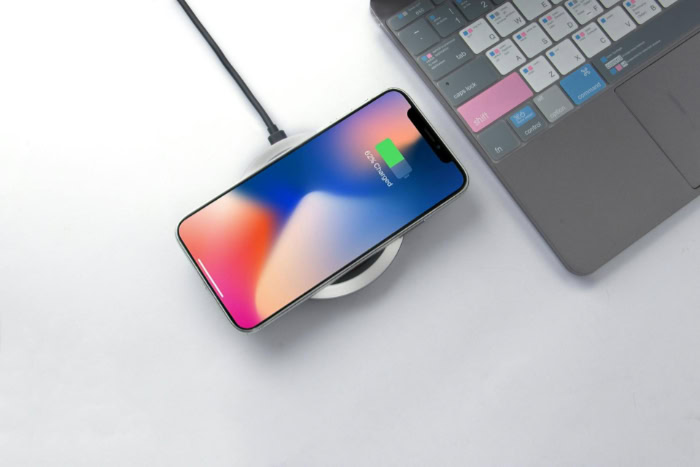
Charging a smartphone or wearable device has transitioned from plugging in a cable to simply resting it on a sleek pad. Yet, this daily convenience carries a hidden cost in power waste that directly impacts your device’s battery health and your home electricity bill.
While cable-free transmitters offer uncluttered desks and seamless connectivity, transmitting energy through the air inherently sacrifices raw performance. Overlooking this trade-off means tolerating slower charging times and excessive heat generation.
Key Takeaways
- Standard wireless charging is only seventy to eighty percent efficient, whereas traditional wired USB charging transfers ninety-five percent or more of the power drawn from the wall.
- Misaligned charging coils and thick or metallic protective phone cases actively degrade efficiency, forcing the charger to draw more electricity and generate excess heat.
- The energy lost during wireless charging transforms into waste heat, which raises device temperatures and accelerates the chemical degradation of lithium-ion batteries.
- Modern standards like Qi2 use physical magnetic arrays to ensure optimal coil alignment, minimizing energy loss and managing thermal levels during power transmission.
- Users can optimize charging efficiency by removing protective cases, centering devices manually on non-magnetic pads, and charging on hard, cool surfaces.
Fundamental Mechanics of Wireless Power Transfer
To appreciate how wireless power works, one must look at how energy moves through empty space. While physical wires provide a contained, direct path for electrons, wireless systems rely on electromagnetic fields to bridge the gap between a transmitter and a receiver.
Principles of Electromagnetic Induction
Wireless charging relies on a process where electricity is converted into a magnetic field and then back into electricity. An alternating electrical current passes through a transmitter coil inside the charging pad, generating an oscillating magnetic field around it.
When a compatible device with a receiver coil is placed close enough, this magnetic field induces an alternating electrical current in the device’s coil. The device’s internal circuitry then converts this alternating current into direct current, which powers the battery.
Baseline Efficiency Statistics
Under optimal conditions, where coils are precisely centered and pressed close together, modern wireless charging systems typically achieve an energy transfer rate of seventy to eighty percent. This means that for every ten watts of power drawn from the wall outlet, only seven to eight watts actually reach the device’s battery.
The remaining portion of the energy is lost during the transmission process.
The Mechanics of Energy Loss
Energy dissipation occurs at multiple stages of the transfer process. A significant portion of the loss happens because magnetic fields naturally spread out, meaning some of the magnetic flux leaks into the surrounding air instead of coupling with the receiver.
Additionally, electrical resistance in both the transmitter and receiver coils generates heat, while the electronic circuits responsible for converting the electrical current back and forth bleed further power.
Efficiency Comparison: Wired vs. Wireless Power

Evaluating the performance of power delivery systems requires comparing wireless transfer against traditional physical connections. Looking at the raw efficiency numbers reveals a substantial gap in performance and energy conservation between the two methods.
Performance of Direct Wired Connections
Wired connections offer a highly efficient path for electricity. Because physical copper cables directly connect the power adapter to the device, there is minimal space for energy to escape.
Standard USB and wall charger setups regularly achieve an efficiency rate of ninety-five percent or higher, ensuring that almost all the drawn electrical energy is successfully deposited into the battery.
Performance of Wireless Air-Gap Connections
In contrast, wireless connections must transmit energy across an air gap. Air has far lower magnetic permeability than a physical wire, causing the generated magnetic fields to disperse easily.
This natural dispersion, combined with the resistance within the coils and the multiple conversion steps required to change the state of the electrical current, creates a far less efficient transmission path.
The Quantitative Power Waste Difference
When scaled to a full charge cycle, the mathematical difference is noticeable. To fully charge a standard smartphone battery, a wired charger might draw around sixteen watt-hours of energy from the wall.
A wireless charger, operating at its typical lower efficiency, must draw over twenty watt-hours to deliver the exact same charge. The extra four watt-hours of power are completely lost to the environment.
Drivers of Wireless Efficiency Degradation

Several physical elements actively interfere with the transfer of wireless power, dragging efficiency down from its theoretical maximum. Identifying these elements helps explain why actual performance can vary so wildly from one charging session to the next.
Role of Physical Coil Alignment
For maximum energy transfer, the transmitter and receiver coils must align precisely on top of each other. If a device is placed slightly off-center, the coupling between the coils weakens.
Even a misalignment of a few millimeters can cause transfer rates to drop sharply, forcing the transmitter to draw significantly more power from the wall to deliver the same amount of charge.
Impact of Phone Case Thickness and Materials
Protective phone cases act as a physical barrier that increases the distance between the two coils. Because magnetic field strength decreases rapidly over distance, thick cases naturally weaken the energy transfer.
Furthermore, while plastic and leather cases cause moderate resistance, metal cases or accessories can block the magnetic field entirely or absorb the energy and become dangerously hot.
Conversion of Energy to Waste Heat
Any electromagnetic energy that fails to couple with the receiver coil or is lost during conversion does not simply disappear. Instead, this unabsorbed energy converts directly into thermal radiation.
This thermal energy heats up the charging pad, the device, and its internal components, creating a warm environment that further resists efficient electrical flow.
Consequences of Inefficient Power Transfer
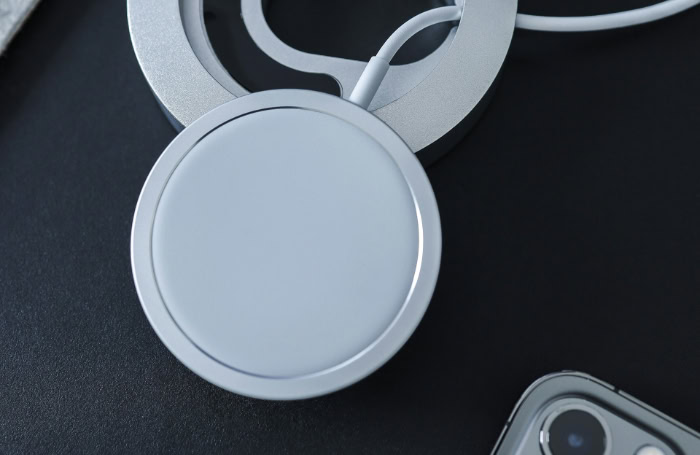
The power lost during wireless charging does more than just slow down the charging process. This excess energy waste carries broader consequences, ranging from physical device degradation to elevated household costs and global environmental strain.
Thermal Stress and Lithium-Ion Battery Lifespan
Lithium-ion batteries are highly sensitive to temperature. The waste heat generated by inefficient wireless charging raises the internal temperature of the device.
Prolonged exposure to elevated temperatures accelerates the degradation of the battery’s chemical components, permanently reducing its capacity over time and shortening the overall lifespan of the hardware.
Economic Calculations of Household Utility Waste
On an individual household scale, the financial impact of wireless charging waste is relatively small. The extra energy lost per charge translates to less than a dollar of waste per device annually.
However, for households with multiple devices utilizing wireless systems daily, these small losses compound over time into a measurable addition to the annual utility bill.
Carbon Footprint and Macro-Scale Environmental Impact
While the domestic cost is minor, the macro-scale impact is substantial. When multiplied by hundreds of millions of users globally, the collective energy waste is massive.
Generating this wasted electricity requires power plants to burn more fossil fuels, unnecessarily increasing global carbon emissions and placing an avoidable burden on energy infrastructure.
Systems and Best Practices for Efficiency Optimization

Improving wireless charging performance requires a combination of engineering solutions and mindful user behavior. By implementing standardized hardware and adopting proper charging habits, it is possible to reclaim much of the lost energy.
Magnetic Cohesion and Alignment Tech
Standardized magnetic systems, such as Qi2, address the misalignment problem directly. By incorporating arrays of small magnets around the coils, these systems physically pull the device into the optimal position every time.
This precise physical alignment minimizes magnetic flux leakage, keeping energy transfer rates consistently close to their maximum potential.
Active and Passive Thermal Controls
To combat heat generation, modern chargers use thermal management systems. Passive methods include aluminum chassis and heat sinks to dissipate warmth, while high-speed chargers often feature active cooling fans.
Additionally, devices employ thermal throttling protocols, automatically lowering the charging speed if internal temperatures rise too high, protecting the battery from damage.
Optimal User Habits
Users can take simple steps to optimize efficiency. Removing thick or metallic cases before charging ensures the coils remain as close as possible.
Placing the charger on a cool, hard surface rather than a bed or sofa prevents heat trap. Finally, taking a moment to manually center devices on non-magnetic chargers prevents high energy loss.
Conclusion
The divide between wired and wireless power transmission remains substantial, with physical cables delivering over ninety-five percent efficiency compared to the seventy to eighty percent managed by wireless pads. While dropping a phone onto a charging stand provides daily physical convenience, this convenience comes at the cost of wasted electricity and increased thermal wear on device batteries.
Choosing between the two options ultimately requires balancing this physical ease against energy conservation. For daily charging, especially overnight, opting for a traditional wire protects battery health and reduces household energy waste, while wireless setups are best reserved for quick, occasional top-offs where convenience is a priority.
Frequently Asked Questions
Does wireless charging ruin my phone’s battery?
Wireless charging does not immediately ruin your battery, but the excess heat it generates can shorten your phone’s battery lifespan over time. Because energy transfer across an air gap creates waste heat, your device stays warmer than it would on a wired cable. This elevated temperature accelerates the chemical aging of lithium-ion batteries.
Is it okay to leave my phone on a wireless charger overnight?
While modern phones automatically stop charging when full, leaving your device on a wireless pad overnight keeps it exposed to unnecessary heat for hours. Unlike wired chargers that cool down once the battery is full, wireless pads continue to emit a small magnetic field. This prolonged thermal exposure slowly degrades your battery health.
Can I charge my phone wirelessly through a thick case?
You can charge through some plastic or leather cases, but thick or metallic cases will block the charger or cause extreme overheating. Magnetic fields weaken rapidly with distance, meaning thicker barriers force the charger to work harder and waste more power. For the best efficiency, you should remove bulky cases before charging.
Why does my phone get so hot when I charge it wirelessly?
Your phone gets hot because the energy lost during wireless transmission is directly converted into waste heat. Since wireless charging is only about seventy to eighty percent efficient, the remaining twenty to thirty percent of the electricity escapes as thermal radiation. This heat warms up both the charging pad and your phone’s internal parts.
Is wireless charging going to raise my electric bill?
Using a wireless charger will raise your electricity bill, but the actual cost increase is negligible for a single household. The power wasted by a single wireless charger only costs an extra dollar or two per year. However, the collective waste becomes a significant issue when multiplied across millions of global users.
About the Author: Elizabeth Baker


