
MagSafe vs. Qi Wireless Charging: Compared
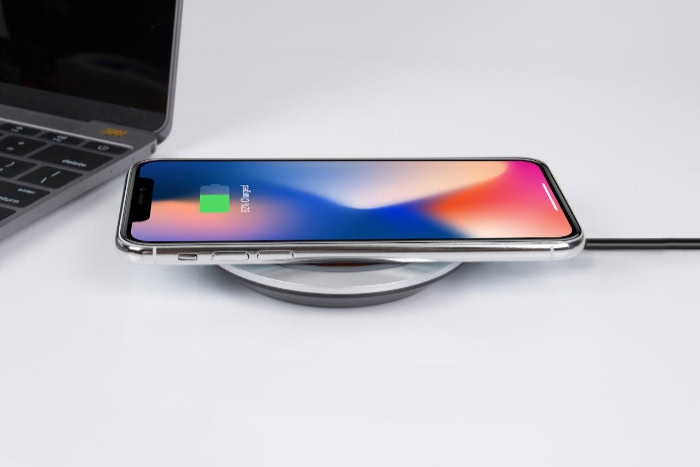
Every time you place your smartphone on a wireless charger only to wake up to a dead battery, you experience the frustration of inefficient power delivery. Choosing the wrong charging ecosystem means wasting hours on slow power-ups or degrading your device’s battery health through excess heat.
Historically, cord-free charging promised a simpler way to power devices, but it quickly fractured into a struggle between Apple’s proprietary designs and open industry standards. Standard Qi chargers offer universal placement but suffer from slow speeds and alignment errors, while MagSafe promises optimized performance at a premium price.
Key Takeaways
- Traditional Qi wireless charging is universally compatible across brands but restricts iPhones to a slow 7.5-watt limit and requires precise manual placement to avoid charging failures.
- Apple’s MagSafe system utilizes cryptographic NFC handshakes and magnetic alignment to unlock faster charging speeds of 15 to 25 watts.
- Heat generation acts as a primary bottleneck for wireless charging speeds, causing devices to automatically throttle incoming power to protect the internal battery lifespan.
- Standard phone cases can block magnetic connections, making specialized cases with embedded magnetic pass-through rings necessary for secure mounts and modular accessories.
- The newer Qi2 standard incorporates Apple’s magnetic alignment profile into an open protocol, providing 15-watt to 25-watt magnetic charging speeds to compatible Android and Apple devices without proprietary licensing.
Technical Foundations of Inductive Power
Inductive wireless power depends on basic electromagnetic mechanics to transfer energy across a physical gap without plugs. While the fundamental science remains identical across consumer electronics, the execution differs dramatically between open, industry-wide standards and proprietary ecosystems.
Standard Qi Architecture
The Wireless Power Consortium (WPC) manages the Qi standard, ensuring different manufacturing brands can successfully charge on the same platform. At its physical level, the transmitter coil inside the charging pad receives alternating current, generating a localized electromagnetic field.
When a compatible receiver coil inside a smartphone enters this field, it experiences electromagnetic induction, converting the magnetic field back into electrical current to charge the battery. This open system utilizes a basic communication loop where the receiver tells the transmitter how much power it requires, preventing overcharging and managing standby modes.
Apple MagSafe Architecture
Apple built upon basic inductive charging by adding a sophisticated physical and electronic layer to their hardware. Alongside the primary copper induction coil, MagSafe hardware incorporates a circular array of magnets, a high-sensitivity magnetometer, and a Near Field Communication (NFC) radio.
The magnetometer detects magnetic force and orientation, ensuring the system can recognize when an official accessory connects. Once physically joined, the host device and power source execute an encrypted cryptographic validation handshake over the NFC connection.
This validation confirms if the accessory is a certified, authorized power source, which then allows the system to unlock maximum charging speeds and display specialized on-screen animations.
Power Delivery and Speed Limits
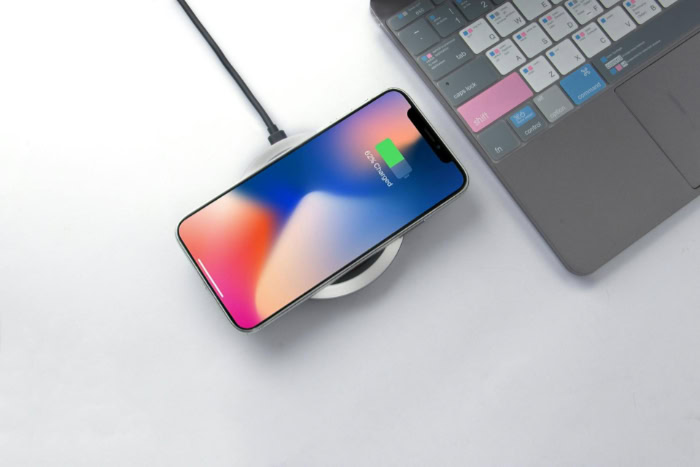
Energy delivery speeds represent one of the most obvious practical differences for the end user. While both systems use induction, administrative restrictions and temperature management dictate how fast a device actually charges.
Wattage Output Differences
Under standard Qi parameters, iOS devices are typically restricted to a modest 7.5-watt power limit on third-party mats. This limitation serves as a safety measure and commercial boundary, forcing users to buy licensed hardware for faster top-ups.
In contrast, certified MagSafe connections unlock significantly higher charging speeds, historically running at 15 watts and reaching up to 25 watts on newer hardware. These higher speeds are reserved for certified accessories that successfully pass Apple’s hardware handshake, providing a stark speed advantage over generic alternatives.
Thermal Management and Energy Loss
Charging speed is not a flat rate; it changes constantly based on internal device temperatures. Higher wattages generate more heat, which can degrade lithium-ion batteries and reduce their overall lifespan.
To protect internal hardware, smartphones use thermal throttling to dynamically lower incoming wattage when temperatures rise. Because wireless charging is naturally less efficient than using a cable, a notable percentage of energy is lost as heat, meaning that higher-speed chargers must employ advanced power negotiation to balance fast charging times against the thermal limits of the battery.
Physical Alignment and Usability

Even the most powerful wireless charger is useless if the internal copper coils do not line up. Physical design determines how easily a user can achieve a continuous, efficient connection.
Drawbacks of Free-Placement Pads
Traditional flat Qi pads rely on the user to manually align the phone’s internal coil with the charger’s coil. This setup creates a narrow alignment window, often referred to as the sweet spot, where charging operates at maximum efficiency.
If a user places their phone even a few millimeters off-center, the connection can fail completely or drop down to trickle-charging speeds. Even worse, incoming notifications that cause the phone to vibrate can slide the device off-center, leading to failed overnight charging cycles and an empty battery by morning.
Magnetic Calibration and Attachment
MagSafe addresses alignment issues by integrating a ring of rare-earth magnets surrounding the charging coil. These magnets automatically pull the charger into the exact location required for maximum inductive coupling.
This structural connection guarantees that the transmitter and receiver coils are aligned to the millimeter, minimizing energy loss and preventing accidental displacement. Mechanically, the strong magnetic bond allows users to lift and use their devices while they continue to charge, breaking the requirement of keeping the phone flat on a table.
Device Compatibility and Accessories

Hardware ecosystems dictate which accessories will function with specific phones. The divide between proprietary designs and open systems forces consumers to consider their broader device collections.
Cross-Platform Interoperability
Using MagSafe accessories with non-Apple hardware often results in restricted performance. Although Android devices and older iPhones can physically sit on a MagSafe charger, they lack the specialized internal hardware required to perform the cryptographic handshake.
Consequently, these devices fall back to the slow, baseline Qi rate of 5 to 7.5 watts. Conversely, Apple devices remain fully backward-compatible with generic Qi mats, ensuring that an iPhone can always draw a basic charge from standard public or household charging pads.
Protective Sleeves and Ecosystem Add-ons
Standard plastic or leather cases can block magnetic fields, making dedicated pass-through cases necessary for secure attachments. These cases embed their own magnetic rings to extend the magnetic alignment from the phone to the outside of the case.
This design facilitates an entire ecosystem of modular accessories, including snap-on wallets, car mounts, and desk stands. Users can swap these accessories quickly without adhesive, creating a modular hardware experience that standard flat pads cannot replicate.
The Qi2 Unified Standard
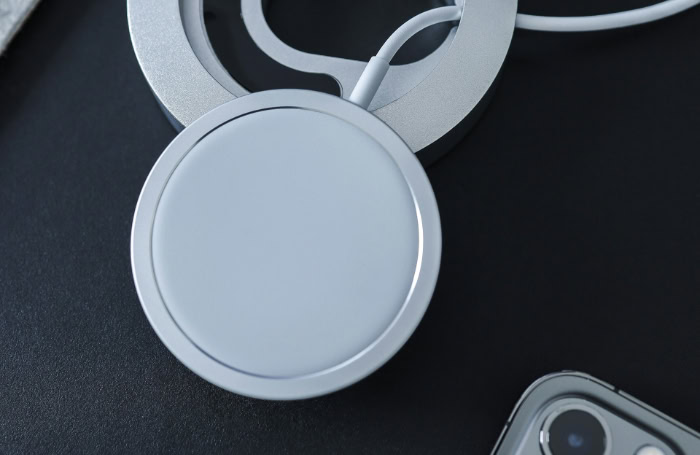
To solve industry fragmentation, the Wireless Power Consortium recently updated its universal standard. This update bridges the gap between competing ecosystems, standardizing fast, reliable wireless power for all users.
Synthesis of Magnetic and Open Protocols
The introduction of the Qi2 standard represents a major step forward, as Apple contributed its Magnetic Power Profile directly to the Wireless Power Consortium. This collaboration means that the same circular magnetic alignment array is now part of the open Qi2 specification.
Because of this integration, Qi2 resolves the old alignment and speed disparities by bringing magnetic precision and standardized 15-watt to 25-watt charging speeds to both Apple and Android devices alike, without requiring proprietary brand licensing.
Practical Impact on Device Choice
This open magnetic protocol significantly reduces proprietary hardware lock-in for consumers. Buyers no longer need to worry about buying brand-specific chargers for different members of a household.
A single Qi2-certified charging station can power both a modern iPhone and a compatible Android device at their maximum speeds. This standardization simplifies the accessory market, allowing manufacturers to focus on building high-quality, multi-device stands and mounts that offer a consistent experience across all modern platforms.
Conclusion
The choice between traditional Qi and MagSafe charging rests on a trade-off between open compatibility and proprietary optimization. Standard Qi offers wide accessibility across diverse brands, but it suffers from slower charging rates and placement errors that can disrupt overnight power cycles.
MagSafe solves these physical and electrical issues for Apple users by combining rare-earth magnets for seamless alignment with secure cryptographic handshakes that unlock speeds of up to 25 watts.
When selecting a wireless charging setup, household hardware diversity should guide your decision. A home exclusively populated by modern iPhones will benefit most from dedicated MagSafe accessories that maximize speed and offer modular mounting options.
However, households with a mix of Apple and Android devices should look toward the newer Qi2 standard, which provides the speed and magnetic alignment of MagSafe in a universally compatible, open format.
Frequently Asked Questions
Will a MagSafe charger work with an Android phone?
Yes, a MagSafe charger will charge an Android phone, but only at slow speeds. Because Android devices lack Apple’s cryptographic handshake software, they fall back to the basic Qi standard. Power delivery is restricted to 5 or 7.5 watts, and the phone will not magnetically align without a specialized magnetic case.
Why does my phone get so hot when I charge it wirelessly?
Wireless charging naturally produces excess heat because energy is lost as it transfers through the air between the charging coils. When coils are misaligned, the charger must work harder, generating even more thermal energy. To protect your battery, your phone will automatically slow down the charging process until it cools down.
Do I need to buy a special case to use MagSafe?
You only need a special case if you want to charge your phone while keeping a protective cover on it. Standard plastic, leather, or rugged cases are too thick and block the magnetic connection. MagSafe-compatible cases feature built-in magnetic rings that pass the physical hold and electrical signal directly through to your phone.
Is Qi2 the same thing as MagSafe?
Qi2 is not exactly the same as MagSafe, but it is built on the same magnetic alignment technology. Apple contributed its magnetic charging design to the Wireless Power Consortium to create the Qi2 standard. This open format allows both Android and Apple devices to access identical magnetic alignment and faster charging speeds without proprietary restrictions.
Why is my wireless charger suddenly charging so slowly?
Your wireless charger is likely slow because your phone is slightly misaligned on the pad or the battery has gotten too warm. Slight physical displacements drastically reduce charging efficiency, forcing the system to reduce current. Additionally, if the battery temperature rises during use, safety protocols will throttle the speed to protect the hardware.
About the Author: Julio Caesar


