Power Strip vs. Surge Protector: Spot the Difference
Most people plug their most expensive electronics into any available multi-outlet board without realizing that a simple mistake could destroy their devices during a storm. Choosing the wrong type of cord expander puts computers, televisions, and home appliances at risk of permanent electrical damage or can even spark a house fire.
Although power strips and surge protectors look almost identical, they serve entirely different purposes. One merely multiplies the outlets on a wall, while the other defends sensitive circuitry against dangerous voltage spikes.
Key Takeaways
- Standard power strips only expand the number of wall outlets and do not provide defense against sudden electrical surges.
- True surge protectors contain a Metal Oxide Varistor (MOV) that redirects high-voltage spikes to the ground wire, shielding sensitive circuitry.
- Verify safety by looking for the UL 1449 certification rating and checking that the device has a Joule rating of at least 2,000 for high-value electronics.
- High-power appliances like space heaters and refrigerators must always be plugged directly into the wall, as extension devices cannot safely support their heavy current draw.
- Surge protectors lose their protective capability over time and should be replaced every two to three years, or sooner if the “protected” status indicator light turns off.
Core Definitions and Differences
Establishing a foundation is essential when evaluating how we power and protect household electronics. While power strips and surge protectors might sit in the same aisle at the hardware store, they operate on entirely different principles and serve distinct functions.
Definition of a Power Strip
A power strip is fundamentally an extension cord with multiple outlets. Its primary function is outlet expansion, allowing you to plug several devices into a single wall receptacle.
Internally, a standard power strip contains basic wiring, a casing, and sometimes a simple on/off switch. However, it lacks any electrical defense mechanisms.
It does not filter electricity or prevent high-voltage spikes from reaching your plugged-in gear; it merely distributes the standard wall voltage directly to each connected plug.
Definition of a Surge Protector
A surge protector is designed to act as a shield against sudden voltage spikes. While it also offers multiple outlets, its primary function is protection rather than simple convenience.
Inside a surge protector, specialized components detect brief surges in electrical current and safely divert the excess voltage to the ground wire. This prevents the destructive energy from ever reaching connected electronics, keeping them safe from power fluctuations caused by lightning, grid transitions, or heavy appliance cycling.
The Primary Contrast in Internal Technology
The primary technical divergence between these two devices lies in their internal components, specifically the presence of a Metal Oxide Varistor (MOV). In a surge protector, the MOV acts as a pressure-sensitive relief valve.
When voltage remains within normal levels, the MOV offers high resistance, allowing standard current to flow normally. When a voltage spike occurs, the MOV’s resistance drops instantly, drawing the dangerous excess energy away from the main line and safely grounding it.
In contrast, many standard power strips feature a basic circuit breaker. This breaker only shuts off power if the total current draw exceeds safe amperage limits, protecting household wiring from overheating, but it offers zero defense against rapid, high-voltage spikes.
Identification and Selection Criteria
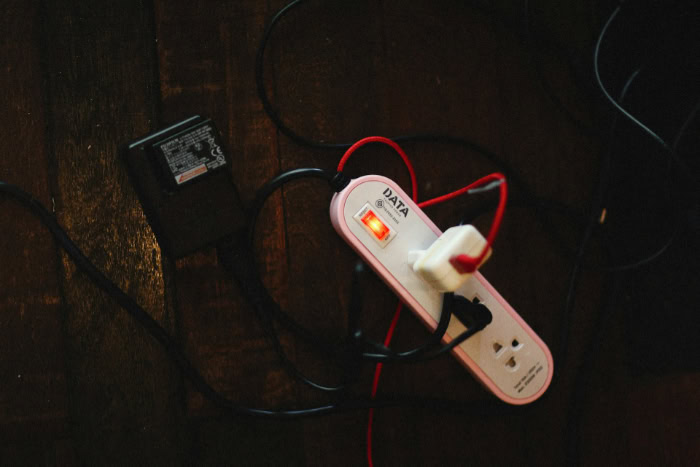
Identifying the right device in a store requires looking past marketing buzzwords and focusing on concrete physical features and technical specifications. Manufacturers often design both devices to look identical, making careful inspection of labels and certifications a safety necessity.
Visual Distinctions and Product Labels
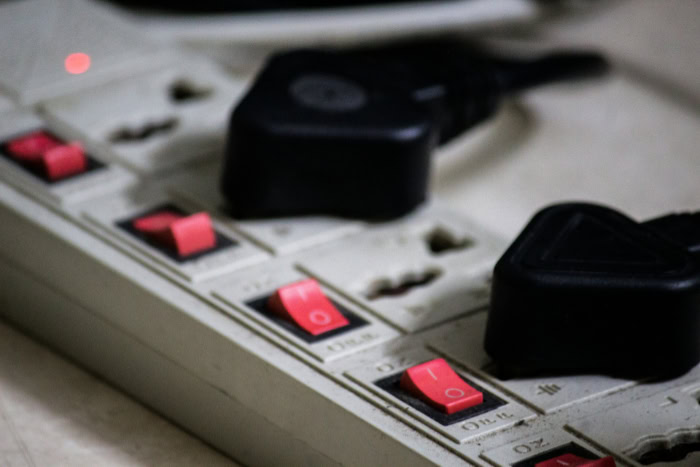
Although they look similar, physical casings offer clues to help tell them apart. Surge protectors usually feature specific indicator lights, often labeled “Protected” or “Grounded,” which signal that the internal defense systems are active and functioning.
They also typically include a manual reset switch that doubles as a circuit breaker. When buying, search the packaging for specific terms such as “Surge Protective Device” or “Transient Voltage Surge Suppressor” rather than generic phrases like “power strip,” “outlet strip,” or “multi-outlet block.”
Technical Specifications
Evaluating the technical ratings listed on the packaging is crucial for making a safe selection. The Joule rating measures how much energy the surge protector can absorb before it fails.
Small devices like desk lamps or phone chargers may only need a rating of 400 to 1,000 Joules, while expensive electronics require 2,000 Joules or more. You should also check the clamping voltage, which is the threshold that triggers the protective component, and a lower number, ideally around 330 to 400 volts, offers better protection.
Finally, look for a response time of one nanosecond or less to ensure the device reacts quickly enough to block sudden electrical surges.
Certification Marks and Safety Standards
Safety certifications from independent testing laboratories offer peace of mind when selecting electrical equipment. Look for the Underwriters Laboratories (UL) mark, specifically the UL 1449 standard, which is the safety rating for surge suppressors.
While a basic power strip may carry a UL listing for general electrical safety, such as UL 1363 for relocatable power taps, only devices certified under UL 1449 have been tested and proven to safely suppress transient voltage spikes.
Device Allocation and Practical Use Cases
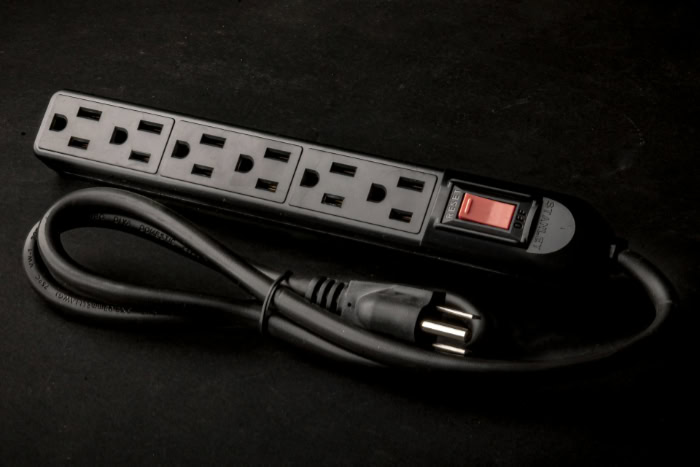
Allocating the right device to each area of your home optimizes safety and ensures your most valuable investments remain secure. Different devices have varying electrical demands, making strategic placement a critical safety decision.
Suitable Scenarios for Power Strips
Power strips are perfectly suited for low-value, non-sensitive electronics that do not contain delicate microprocessors. Items such as basic floor lamps, alarm clocks, simple small appliances, and basic holiday lights do not require protection against voltage spikes.
Power strips are also ideal for temporary setups with low electrical draw, such as a holiday decoration layout or a workbench area where you only plug in one manual tool at a time.
Recommended Applications for Surge Protectors
Sensitive and high-value electronics always require a high-quality surge protector. This includes computers, gaming consoles, television screens, sound systems, and home office setups.
These devices rely on complex microchips that can be ruined or degraded by even minor, daily voltage fluctuations. Suppressing these spikes preserves the sensitive internal circuitry and keeps entertainment and work networks running safely.
High-Power Appliances and Wall Outlet Directives
High-power appliances should never be plugged into either power strips or surge protectors. Devices that generate heat or use heavy compressors, such as refrigerators, space heaters, microwaves, and air conditioners, draw significant amounts of current.
Using adapters or extension units with these heavy appliances can easily overload the contacts, melt plastic casings, and spark fires. Manufacturer guidelines almost universally direct users to plug these appliances directly into a dedicated wall outlet to handle the electrical load safely.
Lifespan and Degradation of Protective Functions
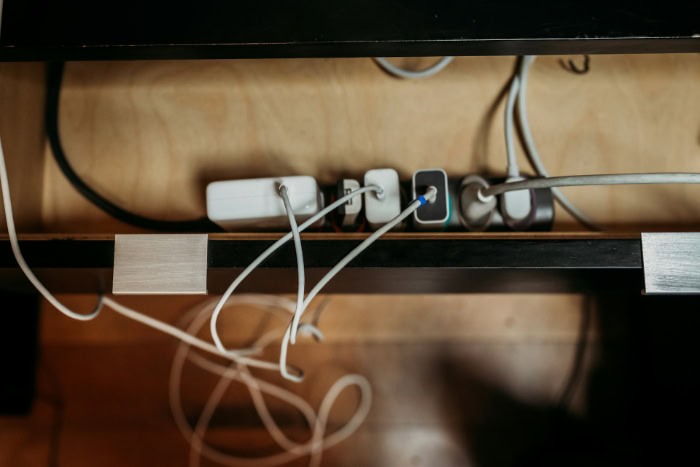
Many people do not realize that surge protectors do not last forever and eventually lose their ability to guard equipment. Knowing how these devices wear down ensures you do not rely on an expired unit that offers nothing more than basic outlet expansion.
The Mechanism of Component Decay
The primary protective element, the Metal Oxide Varistor (MOV), degrades every time it absorbs a voltage spike. The lifespan of this component is finite and is measured in total Joules.
A surge protector can absorb one massive spike from a nearby lightning strike, or it can gradually wear down from hundreds of minor, daily voltage spikes caused by utility grid transitions or home appliances cycling on and off. Over time, these cumulative events exhaust the MOV’s internal materials, permanently ending its ability to divert excess voltage.
Indicators of Device Expiration
Because the decay happens internally, you must rely on external indicators to know when the protective function has expired. Most reliable surge protectors include a “protected” status light on the casing.
When this light goes out, it indicates that the internal MOV has degraded completely and can no longer absorb electrical spikes. At this point, the expired surge protector transitions into a standard power strip, meaning it will still deliver electricity to your devices but offers zero surge defense.
Maintenance and Replacement Schedules
Replacing these devices regularly is a necessary part of electrical safety. Depending on local utility grid stability and weather patterns, most manufacturers recommend replacing surge protectors every two to three years.
Areas with frequent thunderstorms or unstable power infrastructure may require yearly replacements. Routine inspections should also include checking the cord integrity for fraying, making sure the plug fits snugly in the wall, and verifying that the safety indicator lights are still illuminated.
Safety Risks and Best Practices
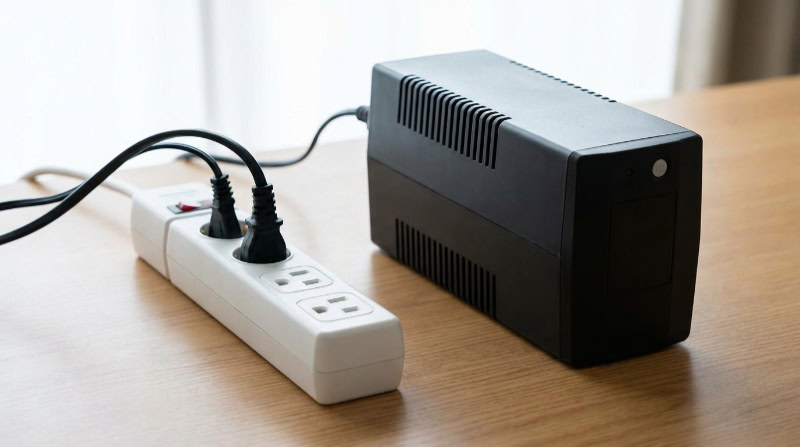
Proper usage of electrical accessories is vital for preventing household hazards and ensuring reliable operation. Even the highest-quality protective gear can become dangerous if used incorrectly or overloaded.
Hazards of Outlet Overload
Every wall circuit and power strip has a strict limit on the total amperage draw it can handle safely. Overloading a connection occurs when you plug in too many devices that collectively exceed this rating, which is typically 15 amps for standard residential circuits.
Signs of an overloaded circuit include tripped breakers, warm plugs or cords, flickering lights, and buzzing or sizzling sounds. Ignoring these warning signs can damage your home’s electrical infrastructure and lead to thermal failure.
The Hazard of Interconnected Power Strips
Daisy-chaining, which is the practice of plugging one power strip or surge protector into another, is a major electrical hazard. Connecting these units in a series bypasses their built-in safety mechanisms and can quickly overload the wall receptacle.
This practice creates excessive electrical resistance and generates substantial heat, significantly increasing the risk of an electrical fire. Safety codes strictly prohibit daisy-chaining any portable power taps.
Prevention of Electrical Fires
Preventing electrical fires requires mindful placement and proper maintenance of all power cords. Avoid covering cords with carpets, drapes, or heavy furniture, as trapped heat can degrade insulation and ignite nearby materials.
Keep all connections away from moisture and standing water, and inspect cables regularly for physical damage. If a cord feels hot to the touch or shows exposed wiring, discard the device immediately to keep your home safe.
Conclusion
While power strips and surge protectors look almost identical, they serve entirely different functions. A power strip works purely as an outlet expander, offering no defensive guard against dangerous voltage spikes.
In contrast, a true surge protector actively intercepts excess electrical energy and redirects it safely to the ground. Safeguarding your home setup depends on matching the correct device to the sensitivity of your equipment; basic household items can safely use power strips, but high-value electronics like computers and televisions require surge protection.
Finally, maintaining long-term electrical safety relies on periodic inspections and replacing these defensive devices every few years, ensuring your home and electronics remain secure.
Frequently Asked Questions
How do I know if my power strip is actually a surge protector?
You can identify a surge protector by checking its casing for specific indicator lights, often labeled “Protected” or “Grounded,” and reviewing the manufacturer’s label on the back for a Joule rating or UL 1449 safety certification. Standard power strips do not have these ratings, lights, or suppression certifications.
Can I plug my microwave or refrigerator into a surge protector?
No, you should never plug heavy, high-power appliances into a surge protector or a power strip. Devices that draw massive amounts of current must be plugged directly into a dedicated wall outlet to prevent overheating and fire hazards. Connecting them to extension units violates manufacturer guidelines.
Do surge protectors actually wear out over time?
Yes, surge protectors gradually degrade and lose their ability to suppress voltage spikes as they absorb electrical surges. The internal defensive components wear down from cumulative minor grid fluctuations or a single large electrical event. Once exhausted, the device functions as a standard power strip with zero surge defense.
What happens to my electronics if a surge protector gets old?
If your surge protector is expired, your connected electronics will remain powered but will have absolutely no defense against voltage spikes. A sudden surge can then travel directly into your expensive devices, potentially frying delicate microchips and causing permanent hardware damage.
Is it safe to plug one power strip into another one?
No, plugging one power strip into another, known as daisy-chaining, is highly dangerous and violates safety codes. Doing this creates excessive electrical resistance and generates substantial heat, which can easily overload your wall outlet and spark a serious electrical fire.
About the Author: Julio Caesar