
What Can Someone Do With Your Phone Number? The Risks

Every time you share your phone number to sign up for an app or secure a bank account, you might be handing over the master passcode to your entire identity. What once functioned as a basic tool to reach friends has quietly shifted into a primary security link that ties together your financial records, home address, and private messages.
Ironically, the very digit sequence used to verify your accounts often serves as the easiest entry point for modern hackers.
Key Takeaways
- Your phone number acts as a unified identifier that links your financial, medical, and social media accounts, making it a single point of failure if intercepted.
- Public data brokers and reverse lookup directories compile comprehensive dossiers containing your full name, family history, and home address using just your phone number.
- SIM swap fraud allows scammers to bypass standard password security by redirecting your incoming text messages, including one-time verification codes, directly to their own devices.
- Migrating from SMS-based two-factor authentication to software authenticator apps or physical hardware tokens blocks attackers from hijacking your accounts through mobile network vulnerabilities.
- Using virtual secondary phone numbers for public signups compartmentalizes your contact details, keeping your primary carrier number hidden from public data leaks.
The Modern Role of the Phone Number
The ten-digit sequence assigned to your mobile device is no longer just a contact point for voice calls and text messages. Today, it operates as a silent baseline credential, connecting various aspects of your personal and professional life.
Because it is highly unique and globally reachable, service providers have adopted this number as a reliable method to confirm who you are, creating a complex web of personal data tied directly to a single access point.
Evolution from Communication Tool to Digital Identity
Decades ago, a telephone number was tied to a physical location, a copper wire running into a specific home or office. With the rise of mobile technology, that number became attached to an individual rather than a place.
As governments, banks, and corporations struggled to find a reliable way to verify users online, the mobile number filled the void. It essentially became a de facto national identification method, often more active and widely used than tax numbers or social security codes.
Because registering a SIM card in many countries requires presenting government-issued identification, businesses treat a phone number as a pre-verified proxy for your physical identity. Consequently, a massive amount of centralized personal data, from your credit history to your billing records, is permanently associated with this single string of digits.
Connection to Online Accounts and Services
Almost every major platform online requests a phone number during signup, using it as a primary verification method to recover passwords or confirm logins. This includes bank accounts, medical portals, work email systems, and social media apps.
When you use the same mobile number across all of these distinct platforms, you create a unified identifier. This centralized link introduces significant risks.
If a malicious actor gains control over that single number, they do not just access one account, they potentially open a pathway to every service you have linked to it, creating a single point of failure for your entire online presence.
Information Exposure and Public Directories

Having a phone number means existing in public and private databases that are constantly cataloged and searched. This transparency makes it surprisingly simple for anyone with an internet connection to find the person behind the digits.
What begins as a simple search can quickly reveal an extensive profile of your private life.
Reverse Phone Lookup Tools
Reverse phone lookup services and public data registries operate by scraping information from public records, voter registration lists, utility bills, and commercial marketing databases. When someone enters your number into one of these lookup tools, the system queries these massive databases to match the number with its current and past owners.
Within seconds, an anonymous searcher can map a phone number back to your full name. Many of these lookup tools operate legally as people-search directories, offering basic identity matches for free or for a nominal fee, making anonymity nearly impossible once a phone number is known.
Aggregation of Personal Data
The exposure does not stop with a full name. Data brokers aggregate secondary details associated with that name and number, compiling a comprehensive dossier.
This profile can include your current and previous home addresses, email addresses, list of family members, court records, and property ownership details. A bad actor can use this aggregated database to launch a targeted doxxing campaign, publishing your private details online to encourage harassment or intimidation.
What started as an obscure mobile number can end up as a public roadmap to your home, family, and personal history.
Security Threats and Account Takeovers

The security of many online platforms depends on the assumption that only you have access to your phone number. However, physical ownership of a mobile device does not guarantee control over the associated cellular connection.
Attackers regularly exploit the gaps between telecommunications infrastructure and online security to hijack phone numbers and seize control of critical accounts.
SIM Swap Fraud
One of the most severe threats to mobile security is SIM swap fraud, a technique where an attacker convinces a mobile carrier to port your phone number to a new SIM card under their control. To accomplish this, the attacker contacts your mobile provider pretending to be you, claiming they lost their phone or need a new SIM card.
Cellular carriers often rely on basic, easily bypassable verification methods, such as asking for a billing address, the last four digits of a social security number, or a mother’s maiden name, information that is widely available on the dark web or through public directories. Once the customer service agent processes the transfer, your phone loses connection to the cellular network, and all your incoming calls and messages redirect straight to the attacker’s device.
SMS Verification Vulnerability
Even without a full SIM swap, the standard SMS protocol is fundamentally insecure. Built decades ago without encryption, text messages travel through network routing hubs where they can be intercepted, or redirected via complex routing exploits.
Many financial and personal platforms still rely on standard SMS text messages to deliver one-time passwords and verification codes. Once an attacker redirects your number or intercepts your messages, they can request password resets on your bank accounts, email systems, and social media profiles.
When the service sends the required verification code via text, it goes directly to the attacker, allowing them to bypass traditional passwords and execute complete account takeovers without ever touching your physical phone.
Deception and Impersonation Tactics
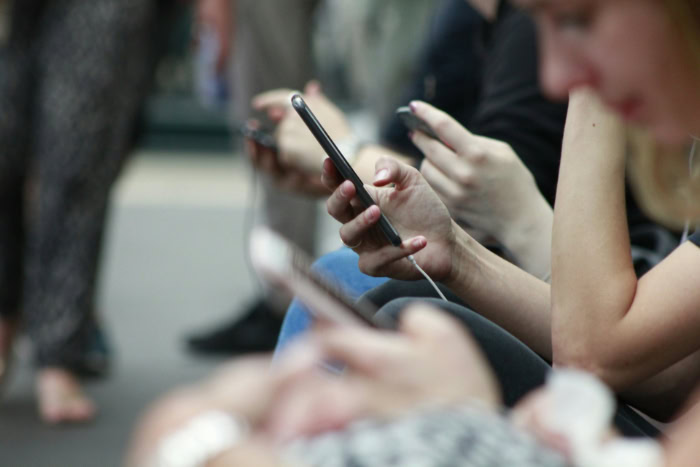
Having access to your phone number allows attackers to target you directly through your primary communication channels. By exploiting the inherent trust built into phone calls and text messages, malicious actors can stage highly convincing manipulation campaigns.
These tactics bypass technical security layers by focusing on human psychology, turning your phone into an entry point for deception.
Caller ID Spoof Attacks
Telecommunications networks were originally designed under the assumption that incoming calls originated from verified, trusted sources. Today, Voice over IP (VoIP) systems allow callers to manually set the outbound caller identification data.
Attackers exploit this design flaw to spoof caller IDs, making calls appear to originate from local government offices, utility providers, banks, or even a victim’s personal contacts. When the recipient looks at their phone screen, they see a trusted name or familiar area code instead of a suspicious number.
This manipulation creates a severe erosion of trust in basic voice communication, as people can no longer rely on the identity displayed on their screen to decide whether a call is safe to answer.
SMS Fraud
Known as smishing, SMS fraud involves sending deceptive text messages designed to trick recipients into revealing private information, sending money, or downloading malicious files. Attackers often personalize these messages using leaked records found on public directories or the dark web, addressing the recipient by name or referencing a specific local utility provider to make the message seem genuine.
Common indicators of these credential-harvesting messages include an artificial sense of urgency, warnings about suspended accounts, and generic, shortened URLs that mask the destination domain. When a recipient clicks these links, they are directed to a spoofed login page designed to record and steal their usernames, passwords, and security codes.
Prevention and Security Measures

Securing your identity requires a shift away from relying on basic cellular services for account security. While carriers and systems remain vulnerable to interception, implementing personal defense strategies can significantly reduce your exposure.
By taking control of how you verify your identity and manage your communication channels, you can establish a more resilient barrier against potential exploit attempts.
Alternative Authentication Methods
Moving away from SMS-based two-factor authentication is one of the most effective steps to secure your accounts. Software authenticator applications generate time-based codes directly on your device without relying on cellular networks, removing the risk of interception through SIM swapping or network routing exploits.
For even stronger protection, physical hardware authentication tokens offer cryptographic verification that requires physical possession of the device to gain access. These hardware tokens cannot be phished or cloned, providing a high level of defense that protects your sensitive accounts even if an attacker manages to compromise your phone number.
Carrier Account Protections
You can secure your cellular account directly by requesting enhanced security measures from your mobile service provider. Most carriers allow you to set up a unique account PIN or a verbal passcode that must be provided before any changes can be made to your service.
Additionally, you should request a port freeze or SIM lock, which prevents customer service representatives from transferring your phone number to a new device or carrier without stringent, in-person verification. When communicating with customer support, verify that these restrictions are actively enforced on your account, and treat your carrier PIN with the same level of confidentiality as your financial passwords.
Use of Virtual Phone Numbers
Another practical defense strategy is using virtual phone numbers, or Voice over IP (VoIP) numbers, as a buffer for your personal communications. By using a virtual number for online shopping, public registrations, and social media signups, you keep your primary, carrier-linked mobile number private.
This method of compartmentalization ensures that if a database leak occurs or a service is breached, only the secondary virtual number is exposed. Consequently, your primary number, which is connected to your critical financial and medical accounts, remains shielded from the public eye and insulated from potential target databases.
Conclusion
The modern phone number has quietly transformed from a simple communication tool into a highly vulnerable gateway to our private lives. While linking every account to a single mobile number offers undeniable convenience, it creates a fragile security foundation that malicious actors can easily exploit through database scraping, Caller ID spoofing, and SIM swapping.
Protecting your personal data requires a conscious shift in priority, choosing slightly less convenient security measures over ease of access. By adopting software authenticators, establishing carrier port freezes, and utilizing virtual numbers, you can reclaim control over your identity and build a highly resilient defense against modern exploitation.
Frequently Asked Questions
Can someone hack my bank account if they have my phone number?
Yes, an attacker can hack your bank account if they use your phone number to intercept your password reset codes. By executing a SIM swap, scammers redirect your incoming text messages to their own device. This allows them to receive the temporary security codes your bank sends, bypassing traditional password protections completely.
How do scammers find my name from my phone number?
Scammers find your name by querying public reverse lookup tools and aggregated marketing databases. These online lookup directories scrape public records, voter registration logs, and commercial data leaks to link phone numbers to specific individuals. Within seconds, anyone searching your number can reveal your full identity and address without your knowledge.
What does it mean when a carrier locks or freezes my port?
A port freeze prevents unauthorized third parties from transferring your mobile number to a different network carrier or device. When this security lock is active, your mobile provider will block any request to transfer your number unless you verify your identity in person. This simple measure effectively stops criminals from executing fraudulent SIM swaps.
How do I stop getting targeted spam and scam text messages?
You can significantly reduce targeted scam texts by using virtual phone numbers for online signups instead of your primary number. Compartmentalizing your contact details ensures that public data breaches do not expose your main cell number to spam lists. Additionally, never reply to suspicious texts, as doing so confirms your number is active.
Why is SMS two-factor authentication considered unsafe?
SMS authentication is unsafe because text messages are sent without encryption and can be easily intercepted or redirected. Attackers can execute SIM swaps or exploit routing network vulnerabilities to receive your login codes directly. Shifting to software-based authenticator apps completely avoids these risks by generating verification codes directly on your physical hardware.
About the Author: Elizabeth Baker


