
What Is Active Noise Cancellation (ANC)? How It Works

Active Noise Cancellation, commonly called ANC, is a popular audio feature built into modern headphones and wireless earbuds. It actively quiets the surrounding environment, allowing listeners to hear their music, podcasts, or silence without competing against engine hums and street chatter.
Instead of simply blocking sound with thick padding, the system uses tiny microphones and internal speakers to erase incoming noise electronically. This guide explains the science behind the system, highlights how it differs from passive ear cushions and call microphones, and helps you evaluate its true worth for daily use.
Key Takeaways
- Active noise cancellation uses external and internal microphones to capture ambient sound and create a phase-inverted, 180-degree mirror wave that neutralizes sound pressure before it reaches the eardrum.
- Hybrid systems provide the most thorough noise reduction by combining exterior feedforward microphones with interior feedback microphones that continuously check and correct residual sounds.
- The technology lowers repetitive low-frequency noise like jet engines and train tracks by 20 to 30 decibels, but relies heavily on passive physical seals to block irregular, high-frequency sounds like speech.
- Active Noise Cancellation eliminates incoming environmental noise for the listener, whereas Environmental Noise Cancellation uses dedicated microphones to filter out background clatter strictly for callers on the other end of a voice call.
- Using noise cancellation protects long-term ear health by enabling clear listening at safe levels between 50% and 60% volume, though active signal processing reduces battery runtimes by 3 to 8 hours per charge.
The Acoustic Science Behind Noise Cancellation
Active Noise Cancellation relies on basic physical acoustics and rapid computing rather than thick barriers alone. By continuously detecting incoming noise and generating precise counter-signals, audio hardware neutralizes unwanted ambient sounds before they can register in the human ear.
The Principle of Destructive Sound Interference
Sound travels through the air as continuous physical pressure waves composed of alternating peaks and troughs. The peaks represent areas where air molecules are compressed tightly together, while the troughs represent areas where molecules are spread apart.
When two identical sound waves collide while aligned peak-to-peak and trough-to-trough, their energies combine, resulting in a louder sound known as constructive interference.
Active noise reduction relies on the opposite behavior, known as destructive interference. If a device produces a secondary sound wave that is shifted by 180 degrees, its peaks align directly with the troughs of the incoming sound wave.
When these equal and opposite waves meet, their opposing pressures cancel each other out completely. This process, known as phase inversion, replaces acoustic energy with silence.
The Role of Microphones and Audio Processors
To generate an inverted wave, headphones must first identify the exact properties of incoming noise. Miniature microphones mounted on the device continuously sample surrounding sounds, capturing noise data in less than 1 millisecond.
These sensors register details such as frequency, amplitude, and timing.
Once the microphones capture this audio data, they send it directly to an internal digital sound processor (DSP). The DSP acts as a dedicated computer chip that analyzes the incoming sound patterns almost instantly.
It calculates the inverse profile of the frequency curve and prepares a mirror-image waveform before the original sound wave can travel the short physical distance from the outside of the headphone to the ear canal.
The Output of Anti-Noise Waves
After the digital sound processor calculates the inverted wave, it sends that signal to the speaker drivers inside the ear cups or earbuds. The driver diaphragm vibrates to produce this newly created anti-noise wave directly into the ear canal.
Because the calculation and playback happen in fractions of a millisecond, the anti-noise wave meets the incoming environmental sound wave right as both pass into the ear canal. The opposing pressures collide and cancel out before reaching the eardrum.
As a result, the listener hears only their chosen audio or quiet background silence.
Primary Configurations of ANC Hardware
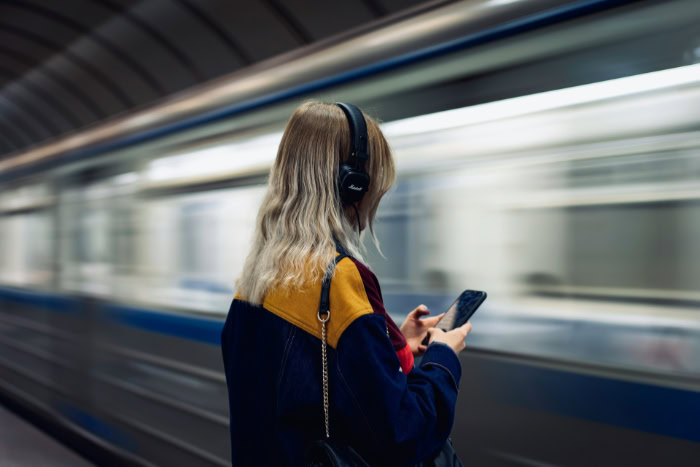
Implementing active noise reduction requires careful placement of microphones and audio components. Headphone designers use three primary hardware configurations, each offering different trade-offs between processing speed, acoustic accuracy, and environmental resistance.
Feedforward Design and External Sensors
A feedforward configuration places microphones strictly on the outside of the ear cup or earbud casing. These external sensors capture approaching noise early, which gives the internal processor maximum time to analyze the wave and generate the anti-noise signal before the sound penetrates the headphone shell.
While this setup excels at catching mid-range noises quickly, it also comes with practical limitations. Because the microphones sit exposed to the open air, rushing wind can brush against the sensors and create unpleasant fluttering sounds.
Furthermore, because external microphones cannot hear what is happening inside the ear canal, the system cannot verify whether the noise was eliminated effectively or adjust for an improper earbud fit.
Feedback Design and Internal Sensors
A feedback configuration takes the opposite approach by placing the microphone inside the ear cup, positioned between the speaker driver and the user’s ear. This internal sensor hears the exact blend of sound that enters the ear canal, including both the user’s music and any residual noise that leaked past the physical cushions.
By monitoring the interior acoustic space, the system can compare what the user hears against what the speaker intended to play. The processor then corrects errors and removes leftover low frequencies.
However, because the microphone sits inside the ear canal, it detects incoming sounds much later than an external sensor would. This reduced reaction time makes it difficult for feedback systems to cancel higher-pitched sounds, and poorly tuned designs can accidentally cancel out low bass notes in music.
Hybrid Systems and Adaptive Adjustments
A hybrid configuration pairs external and internal microphones together to combine the benefits of both designs. External microphones provide early detection of incoming noise across a broad frequency range, while internal microphones continuously check the interior chamber to fix residual noise and maintain accurate music reproduction.
Modern premium headphones expand on this setup using adaptive software adjustments. These systems continuously monitor changing background environments and the user’s physical fit.
If an earbud loosens during exercise or background chatter suddenly increases, the software automatically tweaks the strength of the anti-noise wave to maintain consistent performance without requiring manual changes.
Distinctions from Alternative Audio Features

Consumer audio packaging frequently bundles multiple noise-reducing terms together, which can easily confuse buyers. Dissecting how these systems work explains which features protect your ears from background noise and which features serve entirely different purposes.
Active Circuitry versus Passive Physical Isolation
Passive physical isolation relies entirely on dense materials to block sound waves from entering the ear canal mechanically. Thick foam ear pads, tight silicone ear tips, and solid plastic ear cups absorb or bounce sound waves away without using battery power or digital electronics.
Active circuitry, by contrast, relies on microphones, software processing, and dedicated battery power to neutralize sound waves dynamically. While active systems dominate at eliminating low, rhythmic hums, they cannot eliminate high-frequency sounds as easily.
High frequencies possess short wavelengths that change too quickly for digital processors to counter. Consequently, passive isolation remains essential for blocking high-pitched noises like whistling, typing, and sudden shrieks.
Headphone Silence versus Microphone Noise Suppression
Active Noise Cancellation operates exclusively for the person wearing the headphones by removing incoming environmental sounds from their ears. In contrast, Environmental Noise Cancellation (ENC) operates for the person on the other end of a phone call or voice chat.
Environmental Noise Cancellation uses secondary microphones located along the headset body to isolate the speaker’s voice from ambient background clatter. Software filters out passing cars, typing sounds, and cafe commotion so the listener on the phone call hears a clear voice.
Buying a headset with excellent call noise suppression does not mean the person wearing it will experience a quieter listening environment.
Ambient Sound Passthrough and Transparency Modes
Transparency mode, also called ambient sound passthrough, functions as the intentional reverse of active noise reduction. Instead of generating an inverted wave to eliminate surrounding sounds, the processor uses the external microphones to capture external audio and relay it directly through the internal speakers.
This feature allows users to hear traffic when crossing busy intersections, listen for boarding announcements at airports, or hold brief conversations without taking off their headphones. It blends outside sounds naturally with existing media playback, providing situational awareness while maintaining the comfort of wearing the device.
Acoustic Scope and Noise Reduction Limits

Although active noise reduction feels powerful, acoustic physics and processing speeds create clear boundaries for what the hardware can achieve. Knowing what the technology can and cannot eliminate sets reasonable expectations for everyday listening.
High Success with Continuous Low-Frequency Drones
Active noise cancellation achieves its highest efficiency against steady, continuous, low-frequency noises. Examples include the deep drone of an airplane engine, the rhythmic rumble of train tracks, the hum of an air conditioner, and the low roar of bus engines.
These sounds feature long wavelengths and predictable, repeating patterns. Because the sound waves take longer to complete each cycle, the digital signal processor has sufficient time to calculate an inverted wave and broadcast it through the driver.
As long as the noise remains consistent and predictable, the cancellation circuitry can reduce low rumbles by 20 to 30 decibels.
Limitations with Sudden Speech and Sharp Sounds
The technology struggles significantly with sudden, unpredictable noises and higher frequencies. Irregular sounds such as human speech, screaming infants, barking dogs, dropping dishes, and car horns change too rapidly for processors to anticipate.
High frequencies also have tiny, tightly packed wavelengths. Even a minute latency delay of a fraction of a millisecond causes the anti-noise wave to arrive out of alignment, potentially doubling the sound rather than silencing it.
For this reason, users should expect noise-cancelling headphones to soften and push distant conversations into the background rather than create absolute silence in a lively room.
Distortion from Wind and Imperfect Ear Seals
Physical variables can also disrupt noise-cancelling performance and introduce unwanted audio distortion. Wind moving across the exterior feedforward microphones creates turbulent air pressure that the processor misinterprets as incoming noise.
When the driver attempts to cancel this turbulence, it produces an annoying fluttering or rumbling sound inside the ear.
An incomplete physical seal produces similar issues. If ear cushions sit awkwardly against eyeglasses or an earbud tip is too small for the ear canal, acoustic energy leaks past the barrier.
This leakage allows outside noise to bypass the cancellation wave while destabilizing the internal microphone calculations, leading to weak bass and inconsistent noise reduction.
Practical Benefits and Device Trade-Offs

Investing in active noise-cancelling hardware brings clear advantages for hearing health and daily productivity, but the technology also introduces technical trade-offs. Weighing these benefits against common drawbacks helps consumers pick the right listening gear for their lifestyles.
Ear Health Protection and Lower Volume Demands
One major advantage of noise cancellation is the protection it offers for long-term hearing. In loud environments like trains or busy streets, listeners without noise cancellation often crank their media volume to 80% or 90% just to overpower ambient sounds.
Over time, listening at these loud levels can cause permanent auditory damage.
By stripping away the background noise floor, active systems allow users to listen to music and spoken audio at safe volumes, often between 50% and 60%. Reducing constant ambient noise also lowers listening fatigue during long workdays, making it much easier to concentrate in open-plan offices and noisy households.
Perceived Ear Pressure and Auditory Discomfort
Some listeners experience an uncomfortable sensation often described as cabin pressure when turning on active noise cancellation. This feeling resembles the fullness experienced during rapid altitude changes in an elevator or an airplane.
This sensation is entirely neurological rather than physical. Because human ears naturally expect low-frequency background rumbles in open environments, their sudden electronic absence tricks the brain into assuming a drop in atmospheric air pressure.
While many users adjust to this sensation after a few days, others remain sensitive to it and may feel mild nausea or headaches during extended listening sessions.
Impact on Battery Life and Product Price
Active noise reduction requires continuous processing and multiple active microphones, which places heavy demands on battery reserves. Running noise cancellation typically reduces overall listening time by 3 to 8 hours per charge compared to using the same headphones with the feature switched off.
The extra hardware also impacts retail pricing. Adding multiple microphones, precision speaker drivers, and dedicated digital processors raises manufacturing expenses.
While standard wireless headphones often sell for under $50, premium noise-cancelling models routinely cost between $200 and $400. Buyers must balance the clear audio advantages against higher retail prices and more frequent recharging cycles.
Conclusion
Active Noise Cancellation delivers its best performance when electronic signal processing works hand in hand with a tight physical seal. While silicone ear tips and dense ear cups physically block high-frequency sounds like office chatter, internal processors and microphones silence steady, low-frequency rumbles that physical padding cannot stop alone.
The true value of this technology depends on your regular daily environment. Frequent flyers, transit commuters, and professionals in bustling shared workspaces gain immense value from reduced listening fatigue and safer volume levels.
However, if your routine centers on quiet home offices or quiet study spaces, standard headphones with quality passive isolation provide plenty of quiet without the added cost or battery drain of active cancellation hardware.
Frequently Asked Questions
Does active noise cancellation completely block talking?
Active noise cancellation reduces the volume of human voices, but it cannot completely silence them. Speech consists of irregular, higher frequencies that shift too rapidly for processors to predict and cancel. Nearby conversations will sound muffled and distant rather than fully muted, though a snug physical seal blocks additional vocal volume.
Why do noise cancelling headphones make my ears feel like they have pressure?
That feeling occurs because the sudden absence of low frequency sound tricks your brain into perceiving a change in atmospheric air pressure. No actual physical pressure builds inside your ear canal. Because the inner ear naturally expects low background rumbles, the electronic silence mimics the sensation of sudden altitude shifts, which fades as you adapt.
Does noise cancellation drain headphone battery faster?
Yes, active noise cancellation drains battery life significantly faster because the microphones and processors run continuously. Producing anti-noise waves requires active digital computation and constant acoustic sampling. Leaving the feature enabled typically cuts total playback time by 3 to 8 hours per charge compared to standard playback without cancellation.
Can I use active noise cancellation without playing music?
Yes, you can use active noise cancellation on its own without playing any audio tracks. Many people activate the feature to create a quieter environment for sleeping, reading, or concentrating in busy offices. Some wireless models shut off after idle periods unless you adjust the sleep timer settings in their companion mobile app.
Is active noise cancellation safe for my hearing?
Active noise cancellation is completely safe for your hearing and can protect your ears over time. The inverted sound waves produced by the speakers neutralize physical acoustic energy before it reaches your eardrum. By removing ambient rumbles, the system prevents you from raising media volume to dangerous, hearing-damaging levels in loud environments.
About the Author: Elizabeth Baker


