
What Is Cash App and How Does It Work?
Handling personal finances no longer requires visiting a marble building or waiting for checks to arrive in the mail. Cash App has transformed the way people move money by condensing a full suite of financial tools into a single mobile interface.
Owned by Block, Inc., this platform serves as a versatile digital wallet that bridges the gap between old-school banking and modern convenience. While it is not a bank itself, it partners with established institutions to offer features like direct deposits, Visa debit cards, and even fractional stock trading.
Users flock to the service for its speed, allowing them to send money to friends or buy Bitcoin in seconds. It provides a streamlined path to financial flexibility for anyone with a smartphone.
Key Takeaways
- Cash App is a financial platform owned by Block, Inc. that offers P2P payments, banking, and investing.
- Users can send money using a unique $Cashtag without sharing personal bank details.
- The free Visa debit card allows for instant spending and offers rewards through the Boosts program.
- Investors can purchase fractional shares of stocks or Bitcoin with as little as one dollar.
- Accounts offer security features like biometric locks and FDIC insurance through partner banks.
Sending and Receiving Money
The primary reason millions use Cash App is for its seamless peer-to-peer payment system. It simplifies the act of splitting a dinner bill or paying rent by removing the friction found in traditional bank transfers.
Once a profile is active, moving funds happens almost instantly between users.
Account Setup and Identity
Getting started requires a mobile number or email address to create a profile. After basic registration, users link a supported bank account or debit card to fund their transactions.
A central part of the identity system is the $Cashtag, a unique username that allows others to find a profile without needing a phone number or bank details. This identifier makes it easy to send money to friends or receive payments from strangers without exposing sensitive personal contact information.
The Payment Process
Sending money is a straightforward process involving a few taps on the screen. A user enters the dollar amount, hits the pay button, and then types in the recipient’s $Cashtag, email, or phone number.
Requests for money work in a similar fashion, allowing individuals to bill friends for shared expenses. To ensure accuracy, the app often displays the name and profile picture associated with a $Cashtag before the transaction is finalized.
Transaction Speed and Finality
Cash App offers two distinct ways to move money out of the app and into a bank account. Standard transfers are free but typically take one to three business days to process.
For those who need funds immediately, the instant deposit option provides a transfer for a small percentage fee. It is important to remember that peer-to-peer payments are often permanent.
Because these transactions move so quickly, verifying the recipient’s information is essential to avoid sending funds to the wrong person.
Pay Over Time Features
For larger purchases, the platform provides a way to manage costs through installment plans. This feature allows users to split a single payment into smaller, manageable chunks paid over a set period.
Instead of paying the full amount upfront, individuals can maintain their cash flow while still fulfilling their financial obligations.
Banking Features and the Cash App Card
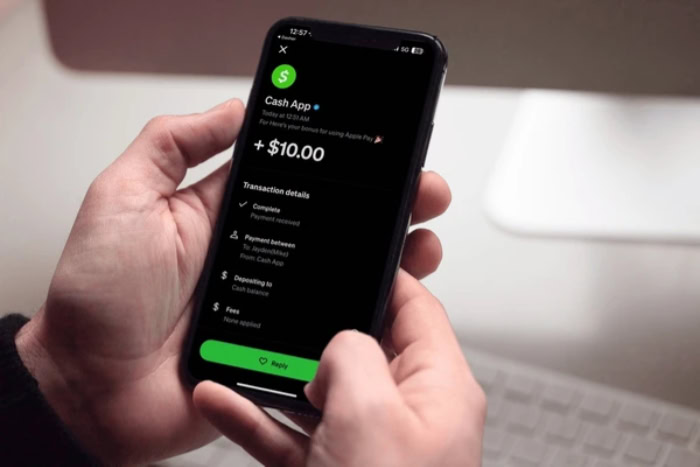
While it started as a payment tool, the platform has grown to provide many services traditionally reserved for banks. By offering a physical card and account numbers, it allows users to manage their daily expenses and income without needing a secondary checking account.
The Cash App Card
The Cash App Card is a customizable Visa debit card that draws directly from the balance within the app. Users can choose the color of their card, add personalized stamps, or even have their signature laser-etched onto the plastic.
Once the card arrives in the mail, it is activated through the app and can be used anywhere Visa is accepted, including at ATMs and for online shopping.
Boosts Rewards Program
A standout feature for cardholders is the rewards system known as Boosts. Instead of waiting weeks to accumulate points, users select specific discounts within the app that apply instantly at the point of sale.
These offers might include a percentage off at a coffee shop or a set dollar amount back at a grocery store. Only one Boost can be active at a time, but users can switch between them frequently to maximize savings.
Direct Deposit and Early Access
Users can treat their account like a traditional bank by setting up direct deposits for paychecks or government benefits. By providing an employer with the routing and account numbers found in the app, funds are deposited directly into the balance.
A major advantage of this system is speed, as many users receive their pay up to two days earlier than they would with a standard bank account.
Paper Money Deposits
Adding physical cash to a digital wallet is possible through partnerships with major retailers. Users can visit participating stores, generate a barcode within the app, and have a cashier scan it to deposit paper money directly into their account.
This bridge between physical currency and digital finance ensures that those who work with cash can still participate in the mobile economy.
Investment and Savings Capabilities

Expanding beyond daily spending, the app includes tools to help users build long-term wealth. These features provide a low barrier to entry for people who may feel intimidated by traditional brokerage firms or complex trading platforms.
Fractional Stock Trading
Investing in the stock market is accessible to everyone through fractional shares. Instead of needing hundreds of dollars to buy a single share of a popular company, users can purchase as little as one dollar worth of stock.
This allows for a diversified portfolio even with a limited budget. The app provides basic performance charts and news updates to help users monitor their holdings.
Bitcoin Integration
The platform was an early adopter of cryptocurrency, allowing users to buy, sell, and hold Bitcoin within the same interface used for their banking. Individuals can set up one-time purchases or recurring buys to build their position over time.
Additionally, the app supports the Lightning Network, which enables fast and inexpensive Bitcoin transfers to other wallets or merchants.
Automated Investing with Round Ups
To make saving effortless, the Round Ups feature automatically invests spare change from every Cash App Card purchase. If a user spends eight dollars and fifty cents, the app rounds the transaction to the next dollar and puts the extra fifty cents into a chosen stock or Bitcoin.
This passive approach helps users grow their investments incrementally without noticing a significant impact on their daily budget.
Dedicated Savings Accounts
The app also offers a separate space for users to set aside money for future goals. This savings balance remains distinct from the main spending balance to prevent accidental overspending.
Users who meet certain requirements, such as maintaining a specific direct deposit volume, can earn a higher interest rate on their savings than what is typically offered by traditional savings accounts.
Safety, Security, and Fund Protection

Cash App employs multiple layers of defense to protect user assets and information. These measures range from personal settings that individuals can toggle themselves to broad institutional protections that cover financial losses in specific scenarios.
By combining user-controlled privacy with backend encryption, the platform maintains a secure environment for digital transactions.
In-App Security Controls
Users have direct control over their account security through several built-in features. Biometric locks, such as Touch ID or Face ID, ensure that only the owner can open the app or authorize a transfer.
Additionally, a mandatory PIN provides an extra layer of protection for every transaction. If a user loses their physical Cash Card, they can instantly freeze it within the app settings to prevent unauthorized charges, then unfreeze it just as easily if the card is found.
FDIC and SIPC Insurance
Protection for funds depends on how the money is held. For users with a Cash Card, the balance is insured by the FDIC up to $250,000 through partner banks.
This means the money is protected even if the underlying bank faces financial trouble. For those using the investment features, brokerage accounts are protected by the SIPC, which secures the equity and cash in a stock account up to $500,000 if the brokerage firm fails.
Fraud Detection and Identity Verification
The platform uses sophisticated machine learning algorithms to monitor activity and flag transactions that appear suspicious or fraudulent. To further enhance trust and security, users can undergo an identity verification process.
Once a user provides their full name, date of birth, and the last four digits of their Social Security number, they may receive a blue verification badge. This badge signals to others that the account is legitimate and helps the platform better protect the user from identity theft.
Data Privacy and Encryption
Behind the scenes, the service uses high-level encryption to shield personal data and transaction history from outside eyes. This encryption applies whether a user is on a private home network or using public Wi-Fi.
The protocols are designed to ensure that sensitive details, such as bank account numbers or tax information, remain unreadable to anyone attempting to intercept the data.
Account Tiers and Fee Structure

The platform offers different account types to accommodate both casual users and small business owners. Each tier comes with its own set of rules regarding how money moves and what it costs to facilitate those movements.
Personal and Business Accounts
Most people start with a personal account, which is designed for sending money to friends and family. However, those selling goods or services can switch to a “Cash for Business” account.
These business profiles allow for unlimited incoming payments and provide unique payment links that customers can use to pay without needing the app themselves. While personal accounts are focused on private peer-to-peer use, business accounts are geared toward professional transactions.
Transaction Fees for Personal Users
Most standard actions are free, but specific services come with a price tag. If a user funds a payment with a credit card instead of a bank balance or debit card, a 3% fee is applied to the total.
Instant deposits to a bank account also carry a small percentage fee, usually around 1.5% of the transfer amount. While ATM withdrawals often cost $2.50, the app often waives these fees for users who receive a minimum amount of direct deposits each month.
Business Account Costs
Unlike personal accounts, where receiving money is free, business accounts are subject to a flat fee on every incoming payment. This fee is a standard percentage of the transaction, similar to what other payment processors charge.
In exchange for this cost, businesses get the benefit of higher limits and the ability to accept payments from customers who might not have a profile on the platform.
Limits and Identity Verification
New accounts typically have lower limits on how much can be sent or received within a week or month. To increase these limits, users must complete a verification process by providing their full Social Security number.
Once verified, the sending and receiving capacities expand significantly, allowing for larger transfers and a more flexible experience for frequent users.
Conclusion
Cash App functions as a versatile financial hub that blends the speed of mobile payments with the utility of a bank. It appeals to a wide range of people, from those seeking a simple way to split bills to investors looking for an entry point into the stock market.
Because its features are modular, users can customize their experience to fit their specific financial habits. Some may use it as a primary account for direct deposits while others use it as a digital wallet for occasional transfers.
The platform provides a flexible alternative to traditional institutions by simplifying modern finance into a single, accessible application.
Frequently Asked Questions
Is Cash App a real bank?
Cash App is not a bank but a financial technology platform. It provides banking services through its partner banks, such as Lincoln Savings Bank or Wells Fargo. These partners handle the actual movement of money and hold the deposits that are insured by the FDIC.
Can I use the app without a bank account?
It is possible to use the app without a traditional bank account. Users can receive money from others, get paid via direct deposit, and spend their balance using the Cash Card. They can also add physical cash to their balance at various retail locations across the country.
How long does it take to receive money?
Transfers between users happen instantly and are available in the app balance right away. When moving money to a bank account, a standard transfer takes one to three business days for free. Users can also choose an instant deposit for a small fee to get funds immediately.
What are the fees for using the app?
Most basic services are free, including sending money from a bank balance and standard deposits. Fees apply if you send money using a credit card or request an instant transfer to your bank. Business accounts also pay a small fee on every payment they receive from customers.
Is my money safe on the platform?
The platform uses encryption and fraud detection to protect user data and funds. When you have a Cash Card, your balance is insured by the FDIC through partner institutions. You can also add extra security by enabling PIN requirements and biometric locks for every transaction you make.
About the Author: Julio Caesar


