
AMOLED vs. LCD Smartphone Screens: What to Choose
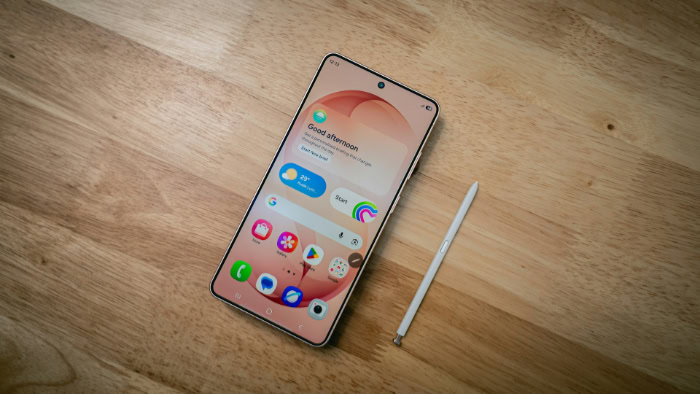
Most people spend several hours every day staring at a smartphone screen, making the display technology the most active point of contact with their daily activities. Choosing between the two dominant panel types, LCD and AMOLED, directly impacts your phone’s battery endurance, outdoor readability, and long-term eye comfort.
While older, liquid-crystal standards remain highly reliable, organic light-emitting displays have shaped premium mobile design with vibrant colors and deep blacks. These two architectures handle light, color, and physical space through fundamentally different engineering principles.
Key Takeaways
- AMOLED displays produce true blacks and infinite contrast by turning off individual pixels completely, whereas LCDs suffer from slight light leakage that turns dark areas into deep grays.
- AMOLED battery consumption changes dynamically, saving considerable power when dark mode is active but drawing significantly more energy than an LCD when displaying a full-screen white page.
- The organic compounds in AMOLED screens degrade unevenly over time, creating a permanent ghosting effect called burn-in from static icons, whereas inorganic LCD panels are immune to permanent image retention.
- Because AMOLED panels lack a bulky backlight and can be printed on flexible plastic, they enable curved screen edges and ultra-thin bezels that are impossible to construct with thick, rigid LCD panels.
- Many AMOLED screens use pulse-width modulation to lower brightness, causing rapid, subtle flickering that can trigger eye strain and headaches, while LCDs generally use direct current to dim without flickering.
Technical Principles and Core Mechanics
To understand how modern displays function, it is helpful to look at the physical construction beneath the glass. Smartphone screens are highly complex layers of materials that control how light is created, filtered, and projected.
The fundamental split in the industry lies in whether a display relies on a single massive light source or commands millions of tiny independent lights.
Definition and Mechanics of Liquid Crystal Displays (LCD)
A Liquid Crystal Display uses a layered sandwich design to build an image. At the bottom sits a continuous light source, usually a set of light-emitting diodes, that shines forward.
Above this backlight are polarizers and a layer containing liquid crystals. These crystals do not generate light themselves.
Instead, they act like microscopic shutters. When an electric current passes through them, they twist or untwist to block or allow the light from the background to pass through red, green, and blue color filters, generating the final image on the screen.
Definition and Mechanics of Active-Matrix Organic Light-Emitting Diodes (AMOLED)
Active-Matrix Organic Light-Emitting Diode technology eliminates the separate backlight entirely. This design relies on a matrix of thin-film transistors that supply power to subpixels containing organic compounds.
When electricity flows through these organic materials, they emit their own light. Each subpixel is an independent light source.
Because each red, green, and blue dot produces its own illumination, the screen does not require any background illumination panel.
The Backlight vs. Self-Emissive Pixels Division
This structural division shapes every physical and optical property of the display. Because an LCD relies on a single backlight that must stay illuminated across the entire screen, light cannot be isolated perfectly on a pixel-by-pixel basis.
Conversely, the self-emissive design of AMOLED allows for precise control of light at the pixel level. If a portion of an AMOLED screen needs to show darkness, the corresponding pixels can be deactivated completely, whereas an LCD must try to block the background light using its liquid crystals, which is a far less precise process.
Visual Performance and Display Quality

The structural differences between these two technologies have a massive impact on the visual output of a device. A screen’s engineering dictates how vibrant colors appear, how deep dark scenes look, and how readable the phone remains in difficult lighting environments.
Contrast Ratio and Black Levels
Contrast ratio measures the difference between the brightest white and the darkest black a display can produce. Because AMOLED displays can shut off individual pixels entirely, they produce true black with zero emitted light.
This leads to a theoretically infinite contrast ratio, making images appear exceptionally sharp and three-dimensional. LCD panels, on the other hand, suffer from light leakage.
Even when the liquid crystals try to block the backlight to display black, some light always slips through, resulting in a dark gray tone rather than true black.
Color Accuracy and Saturation
Out of the box, AMOLED displays tend to favor highly saturated, vivid colors. This default tuning can make images and videos look striking, though it sometimes sacrifices natural realism.
Modern smartphone software usually includes settings to tone down this saturation if a user prefers natural tones. LCD panels generally display more natural, subdued, and accurate color palettes by default.
Because their color rendering is highly stable, LCDs are frequently favored by professionals who require consistent and predictable color representation.
Outdoor Visibility and Brightness Limits
Viewing a phone under direct sunlight requires the screen to overpower the ambient light. LCD panels are highly effective in these situations because their solid-state backlights can sustain extremely high brightness levels across the entire screen for long periods without overheating or degrading.
AMOLED screens can reach incredibly high peak brightness levels in short bursts or in small areas of the screen to highlight specific elements. However, keeping the entire AMOLED panel at maximum brightness generates significant heat and consumes massive amounts of power, which often forces the phone to automatically dim the display after a few minutes in hot conditions.
Visual Performance at Diverse Angles
When looking at a screen from the side, the multiple layers of an LCD panel become a disadvantage. Light traveling through these layers gets partially blocked, leading to a noticeable drop in brightness and a shift in color accuracy when viewed off-center.
AMOLED panels have a much flatter, single-layer structure. This design ensures that contrast remains high and colors stay stable even when the screen is viewed from wide side angles, though some cheaper organic panels may show a slight rainbow tint when tilted.
Power Efficiency and Battery Impact

The screen is consistently one of the most power-hungry components in any modern mobile device. How efficiently a display manages its power draw directly influences how long a user can stay away from a wall charger.
The Power Consumption of Static and Varied Content
Because an LCD uses a continuous backlight, its power draw remains mostly constant regardless of what is displayed on the screen. A completely white page and a completely black page require the same amount of electricity because the background light is always shining at the set brightness level.
AMOLED power consumption fluctuates dramatically depending on the color of the content. Displaying bright white images requires every individual organic pixel to glow at maximum capacity, drawing a massive amount of power.
Conversely, displaying darker images dramatically reduces the electrical current needed.
The Role of System-Wide Dark Mode
System-wide dark mode has a highly practical impact on devices with self-emissive screens. By turning the user interface background black or dark gray, an AMOLED panel shuts down a large portion of its pixels, cutting energy draw significantly.
On an LCD panel, activating dark mode offers no battery savings whatsoever. The liquid crystals merely twist to block the light to make the screen look dark, but the power-hungry backlight continues to burn just as brightly behind them.
Total Battery Endurance Metrics
These consumption patterns mean that daily battery performance depends heavily on individual habits. A user who spends most of their time reading text documents on bright white backgrounds might find that an LCD phone lasts longer.
However, a user who utilizes dark themes, watches videos with dark scenes, and keeps their interface dark will experience far better overall battery life on an AMOLED device.
Durability, Lifespan, and Physical Attributes

Beyond daily performance, the physical materials used in a display dictate how well it stands up to years of daily use and how it affects the actual design of the smartphone.
Image Retention and Screen Burn Risks
Because AMOLED screens rely on organic compounds to produce light, these materials slowly decay over time as they are exposed to electricity. If certain pixels are kept constantly illuminated with static images, such as navigation buttons or status bar icons, those specific areas will decay faster than the surrounding pixels.
This uneven degradation leads to screen burn-in, where a permanent ghost image remains visible on the screen. LCD panels use inorganic materials that do not decay in this manner, making them practically immune to permanent burn-in.
Total Lifespan and Panel Degradation
The inorganic construction of LCDs ensures they maintain consistent brightness and color output for many years of heavy use. AMOLED displays experience a gradual decline in maximum brightness as the organic compounds age.
Furthermore, because blue organic subpixels degrade faster than red and green ones, the overall color balance of an AMOLED screen can slowly shift toward warmer tones over several years of active use.
Display Thickness, Flexibility, and Device Design
The physical layers required for an LCD panel make it relatively thick and completely rigid. This limits smartphone designers to flat screens and thicker bezels around the edges.
AMOLED panels require no backlight, making them incredibly thin. Because these organic layers can be printed on highly flexible plastic substrates instead of rigid glass, manufacturers can easily bend the edges of the display.
This flexibility enables modern curved screens, ultra-thin bezels, and folding smartphones.
Production and Replacement Costs
Manufacturing an LCD is a highly mature, cost-effective process, making these displays inexpensive to produce and replace. AMOLED manufacturing is far more delicate and expensive, requiring specialized cleanrooms and precise organic deposition processes.
Consequently, a smartphone with an AMOLED screen is usually more expensive to purchase. If the screen is dropped and cracks, the cost to repair an AMOLED panel is significantly higher than replacing an LCD, sometimes approaching the value of the phone itself.
Eye Comfort and Purchase Decisions

A display does not just present information; it also interacts directly with our physical well-being. Selecting the right display technology requires balancing physical comfort with financial value and personal habits.
Flicker, Pulse-Width Modulation (PWM), and Eye Strain
To control brightness, many AMOLED screens use pulse-width modulation. This method rapidly switches the screen on and off at a frequency that is mostly invisible to the naked eye.
However, at lower brightness settings, these pulses become longer and more pronounced, which can trigger eye strain, headaches, and physical fatigue in sensitive users. LCD panels typically use direct current dimming, which continuously lowers the electrical current to dim the backlight without rapid flickering, offering a much more comfortable viewing experience in dark environments.
Price-to-Performance Ratios for Consumers
For buyers on a budget, LCD panels represent an exceptionally strong value. They deliver highly accurate colors, excellent durability, and reliable performance at a fraction of the cost.
AMOLED displays demand a premium price but justify the cost for users who prioritize deep contrast, modern thin-bezel designs, and highly vibrant media consumption.
Ideal Scenarios for Each Screen Technology
An LCD screen is highly suited for users who read a lot of text, work outdoors frequently under direct sunlight, or keep their phones for many years without wanting to worry about burn-in. It is also the practical choice for those looking to keep initial costs and potential repair bills low.
Conversely, an AMOLED display is the ideal fit for movie enthusiasts, gamers who play in dark rooms, and anyone who appreciates the aesthetics of curved glass, minimal bezels, and ultra-thin devices.
Conclusion
Choosing between AMOLED and LCD panels ultimately requires balancing immediate visual indulgence against long-term physical durability and cost. LCD remains a reliable, cost-effective workhorse that excels in sustained brightness, natural color representation, and resistance to permanent image retention, making it excellent for long-term use.
AMOLED offers unmatched contrast, true black levels, and design flexibility that enables thinner devices, though it carries a higher price tag and risks gradual pixel degradation. Ultimately, your choice should match your daily habits.
Those who prioritize media consumption and modern aesthetics will find great satisfaction in organic screens, while budget-conscious users seeking reliability and reading comfort are highly suited to traditional liquid-crystal displays.
Frequently Asked Questions
Do AMOLED screens really drain more battery than LCDs?
AMOLED screens consume less power than LCDs when displaying dark content, but they draw significantly more battery when showing bright white backgrounds. Since AMOLED pixels light up individually, dark themes allow many pixels to turn off completely. Conversely, LCD backlights remain fully lit regardless of the image, keeping power consumption entirely constant.
Is screen burn-in a permanent problem on newer phones?
Yes, screen burn-in on AMOLED displays is a permanent physical degradation of the organic compounds inside the pixels. It occurs when static elements, like navigation bars or status icons, keep the same pixels continuously lit at high brightness. Over time, these specific pixels wear out faster than others, leaving a faint, irreversible ghost image. LCD screens do not suffer from this issue.
Why do my eyes hurt when using my phone in a dark room?
Your eyes likely hurt because many AMOLED displays use rapid screen flickering to control brightness, a method called pulse-width modulation. In low-light environments, this flickering becomes more pronounced to dim the display, which can cause severe eye strain, headaches, and physical fatigue for sensitive individuals. Most LCD screens use continuous direct current dimming instead, making them much easier on the eyes in the dark.
Which screen is better for reading books on a phone?
LCD screens are generally better for reading because they provide a stable, flicker-free image and render highly accurate white backgrounds. Reading on an AMOLED screen with a white background consumes a massive amount of battery power and can cause eye fatigue due to brightness control flickering. LCDs maintain a steady light that remains comfortable for hours of reading without draining your battery quickly.
Is it more expensive to replace a cracked AMOLED screen?
Yes, replacing a cracked AMOLED display is significantly more expensive than replacing an LCD panel. AMOLED technology relies on a complex, delicate manufacturing process with organic compounds printed on ultra-thin layers, driving up production costs. Because LCD panels use mature, highly standardized components, they are much cheaper to manufacture and consequently far less expensive for consumers to replace.
About the Author: Julio Caesar


