
How to Choose the Right Smartphone: Find Your Match

You touch your smartphone hundreds of times a day, making it the most intimate piece of technology you own. Because these devices demand a significant financial investment, buying the wrong one can lead to years of daily frustration.
The current market offers an overwhelming array of options, from affordable alternatives to premium powerhouses packed with complicated specifications. It is very easy to get lost in a sea of marketing promises and conflicting reviews.
However, finding the perfect match does not have to feel impossible. By taking a structured approach to evaluate your personal habits and decode complex hardware details, you can strip away the confusion.
Key Takeaways
- Evaluate your daily habits before shopping to avoid paying for expensive luxury hardware, like high-end telephoto lenses, that you will never actually use.
- Apple’s iOS offers long-term security updates and seamless syncing with other Apple products, whereas Android provides extensive customization and vastly diverse hardware choices.
- Prioritize a minimum of 6 to 8 gigabytes of RAM to guarantee smooth multitasking and prevent applications from constantly reloading in the background.
- Ignore inflated megapixel numbers and instead focus on the physical size of the camera sensor alongside practical lens inclusions like ultra-wide or telephoto options.
- Search for guaranteed software support cycles spanning several years to ensure your device remains protected against future security threats and performance degradation.
The Foundation of the Selection Process
Before looking at specific phone models, establishing personal criteria and financial boundaries is essential. Knowing exactly how you intend to use the device helps narrow down the countless options available on store shelves.
A solid baseline ensures you pay for capabilities you will actually use rather than getting swayed by flashy marketing.
Personal Use Profile
Start by evaluating your daily habits. A user who primarily sends text messages, makes voice calls, and browses social media has vastly different requirements than a mobile professional editing documents on the go.
Gamers and media enthusiasts require even more processing power and screen real estate. Once you establish your usage patterns, you can easily separate must-have functions from luxury additions.
A high-end telephoto lens is fantastic for a photography enthusiast, but it is an unnecessary expense for someone who only takes occasional snapshots of receipts.
Budget Tier Allocation
Phone pricing generally falls into three main categories. The entry-level tier provides essential functionality at minimal cost, making it ideal for users who need a basic communication tool without expensive extras.
Moving up, the mid-range tier offers the most balanced proposition for the average consumer. These devices deliver smooth performance and highly capable cameras at a reasonable price point.
Finally, the premium flagship tier showcases top-tier technology and maximum cost. Flagships are designed for power users who demand the absolute best screens, fastest processors, and most advanced camera arrays available.
The Choice of Platform

After defining your budget and needs, selecting an operating system is the next major step. The mobile market is dominated by two primary software platforms, each offering a distinct user experience.
Choosing the right environment depends heavily on your lifestyle and the technology you already own.
The Apple Ecosystem
Apple’s iOS is renowned for its consistent user interface design and overall ease of use. The software is streamlined, making it highly intuitive even for those who are not particularly tech-savvy.
One major advantage of this platform is its seamless integration with other Apple products. If you already own a Mac, an iPad, or an Apple Watch, an iPhone acts as a natural extension, allowing files and messages to sync effortlessly across screens.
Furthermore, Apple provides long-term security and software support cycles, often updating older devices for five years or more.
Android Platform Flexibility
The Android operating system offers a completely different approach based on variety and choice. Because numerous manufacturers build Android devices, you have access to a wide range of hardware options, physical styles, and price points.
Android is highly favored by users who value customization. You can completely change the look of the user interface, swap out default applications, and manage files much like you would on a traditional desktop computer.
Additionally, Android devices offer deep integration with Google services and a massive variety of smart home platforms.
Essential Hardware and Performance Specifications
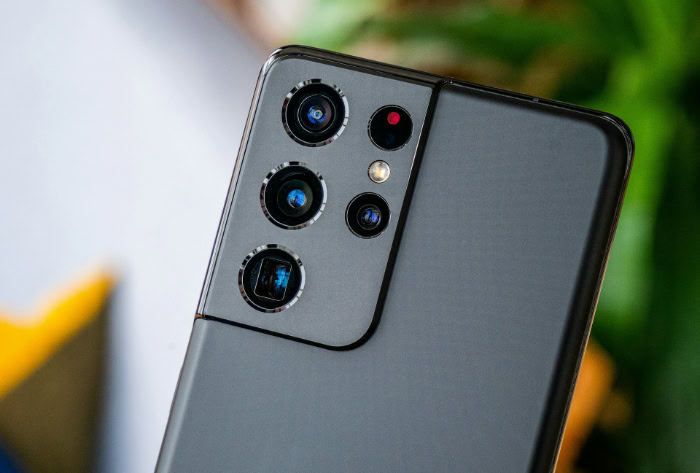
A smartphone is essentially a pocket-sized computer, and its internal components dictate how fast and smooth it feels during daily operations. Understanding a few basic hardware specifications helps ensure your new device remains usable over time.
Central Processor and Memory Capacity
The central processor acts as the brain of your phone and is generally classified into entry-level, mid-tier, and high-performance chipsets. A high-performance processor ensures rapid app launches and handles intense graphical tasks smoothly, while mid-tier chips easily manage standard daily multitasking.
Random Access Memory, or RAM, works alongside the processor to keep multiple apps open simultaneously without forcing them to reload. For optimal performance, modern smartphones generally require at least 6 to 8 gigabytes of RAM.
Internal storage capacity is equally vital. While 128GB serves as a decent baseline, users who record high-resolution videos or download large games should opt for 256GB or more, though leveraging cloud storage subscriptions can help offset limited local space.
Display Technology and Dimensions
The screen is your primary interface, making its dimensions and underlying technology critical considerations. Screen size ergonomics depend on your hands and preferences.
Compact phones are easier to hold and slip into small pockets, while large-screen devices provide a superior experience for watching movies and playing games. Panel technology drastically affects visual quality.
OLED and AMOLED displays offer vibrant colors and perfect black levels for incredible contrast, whereas LCD panels are highly cost-effective and typically found on budget models. Finally, the refresh rate determines the visual smoothness of scrolling and animations.
While a standard 60Hz screen is perfectly functional, a 120Hz display provides a noticeably more fluid, responsive feel.
Media Capability and Daily Usability

Beyond raw computing power, the features you interact with most frequently dictate your everyday satisfaction. For the vast majority of consumers, the quality of the photography system and the reliability of the battery are the deciding factors between a good phone and a great one.
Camera System Performance Metrics
Smartphone manufacturers heavily advertise megapixel counts, but a higher number does not guarantee better photographs. The physical size of the camera sensor and the device’s image processing software play much larger roles in producing sharp, color-accurate images.
Instead of fixating on megapixels, focus on the variety of lenses included. A standard wide lens handles daily shots, an ultra-wide lens is perfect for sweeping landscapes or large group photos, and a telephoto zoom allows you to capture distant subjects without losing clarity.
Video capabilities are also crucial. Look for systems offering optical image stabilization to reduce shaky footage and evaluate the camera’s low-light performance to ensure you can capture clear memories in dark environments.
Battery Capacity and Charge Speed
A powerful phone is useless if it cannot survive a full day away from an outlet. Battery capacity is measured in milliampere-hours, commonly listed as mAh.
Typically, a rating around 5,000 mAh is considered robust. However, power consumption factors heavily into actual endurance.
High screen resolutions and inefficient processors drain batteries much faster than standard configurations. You should also evaluate wired charge speeds to see how quickly the phone can replenish its power during a short break. Wireless charging offers a highly convenient alternative for bedside tables or office desks.
Be aware that many modern smartphones no longer include a power brick in the box, requiring a separate purchase if you do not already own a compatible charger.
Device Longevity and Physical Durability

A smartphone is subjected to constant handling, accidental drops, and exposure to the elements. Assessing how well a device will withstand physical wear-and-tear over several years protects your financial investment.
Software Support Cycle
The lifespan of a phone extends well beyond its physical hardware. The importance of guaranteed operating system updates and security patches cannot be overstated.
These software updates protect your private data from emerging threats and introduce new features long after the initial purchase. Brand policies regarding the duration of support vary drastically.
Some manufacturers promise up to seven years of complete software updates, ensuring the device remains secure and relevant, while other brands might abandon support after just one or two years.
Material Quality and Environmental Protection
Build materials directly influence a phone’s impact resistance and premium feel. Plastic designs are highly durable and resist shattering, while aluminum and titanium frames provide rigid, premium structures.
Glass back panels allow for wireless charging but add a significant risk of cracking upon impact. To guard against environmental hazards, manufacturers use Ingress Protection, or IP, ratings.
A high rating ensures strict dust and water resistance, letting the phone survive accidental spills or brief submersion. The durability of the screen glass, often branded under various Gorilla Glass generations, determines its scratch and shatter resistance.
Finally, considering repair accessibility ensures that if a screen or battery does fail, it can be fixed without exorbitant costs or excessive downtime.
Quick Reference Buyer’s Checklist
Save this brief checklist to your current device and use it as a cheat sheet while browsing models online or standing in an electronics store.
- RAM (Memory): Demand at least 6 to 8 gigabytes to ensure your apps do not constantly freeze or reload in the background.
- Internal Storage: Set 128GB as your absolute minimum. Jump to 256GB if you plan to store high-resolution videos or large mobile games locally.
- Battery Capacity: Aim for a rating close to 5,000 mAh for reliable all-day power. Verify that the device supports fast charging speeds.
- Screen Quality: Prioritize OLED or AMOLED panels for the best visual contrast. Look for a 120Hz refresh rate to guarantee completely smooth scrolling.
- Camera Hardware: Ignore inflated megapixel counts. Instead, check for optical image stabilization and useful secondary lenses, such as an ultra-wide or telephoto option.
- Future Proofing: Confirm the brand promises several years of continuous software updates. Look for a high IP rating to protect your investment from accidental water spills and dust damage.
Conclusion
A successful smartphone purchase requires a careful balance between your financial boundaries, preferred software ecosystem, and most heavily utilized hardware functions. After narrowing down your options on paper, nothing replaces the value of holding the physical device.
Visit a local electronics store to test the interface, check the screen brightness, and feel the overall weight in your hand. If buying online, thoroughly review the return policies before finalizing the transaction.
A reliable return window ensures you can safely send the phone back if the battery endurance or camera quality fails to meet your daily expectations.
Frequently Asked Questions
How much storage space do I actually need on my phone?
You should purchase at least 128GB of storage for basic daily use and standard application downloads. However, if you plan to record high-resolution videos, store large music libraries locally, or play intense graphic games, you should upgrade to 256GB to avoid constantly deleting files.
Does a higher megapixel camera mean better photos?
A higher megapixel count does not automatically guarantee superior image quality. The physical size of the camera sensor and the internal software processing matter much more for producing clear, vibrant photos. You should evaluate the specific lens types included rather than focusing solely on megapixel numbers.
Should I choose an Apple or an Android phone?
Your choice depends entirely on your current tech devices and desire for software customization. Apple provides a highly streamlined experience that syncs perfectly with iPads and Macs. Meanwhile, Android gives you extensive freedom to personalize your interface and offers a vastly wider selection of hardware designs.
How much RAM is enough for a smooth experience?
Most modern smartphones require a minimum of six to eight gigabytes of RAM to function flawlessly. This memory capacity allows your device to keep multiple applications open in the background simultaneously. Having sufficient RAM prevents frustrating delays and forced reloads when switching between active tasks.
Why is a high screen refresh rate important?
A higher screen refresh rate makes all on-screen motion look significantly smoother and more responsive. While a standard 60Hz display functions adequately for reading texts, upgrading to a 120Hz screen completely removes visual stuttering during fast scrolling and provides a vastly superior experience for mobile gaming.
About the Author: Julio Caesar


