
Is a Bluetooth Tracker Worth It? Pros and Cons
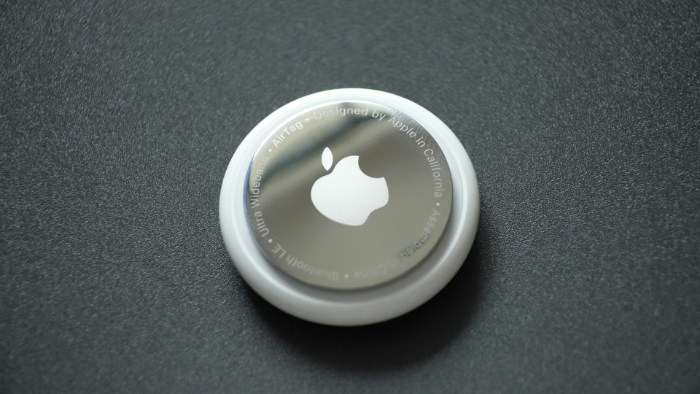
Compact Bluetooth trackers have quickly become popular accessories for managing everyday forgetfulness and travel stress. Slipping a small tag onto keys, wallets, or checked luggage offers a simple way to keep tabs on important belongings.
Even so, average buyers face a practical question: do the added convenience and peace of mind actually justify the cost and technical limits?
Answering that question starts with understanding how short-range signals and community networks work. From there, weighing everyday benefits against major drawbacks like coverage gaps and theft recovery limits shows what small tags can and cannot do.
Comparing pricing, phone compatibility, and battery styles also clarifies who gets real value from owning one, and when skipping a tracker or choosing a dedicated GPS alternative is the smarter move.
Key Takeaways
- Crowdsourced tracking extends beyond Bluetooth range: Direct connections reach 100 to 400 feet (30 to 122 meters) in open spaces, while networks like Apple Find My, Google Find Hub, Samsung SmartThings Find, and Life360/Tile rely on passing smartphones to update locations from miles away.
- Upfront prices are modest, but check accessories and subscriptions: Single tags typically cost $20 to $35 with free basic tracking on major phone networks, though disc-shaped tags often require a $10 to $25 holder and some third-party apps charge $3 to $10 monthly for extended location history.
- Anti-stalking alerts make them unreliable against theft: Both iOS and Android automatically notify nearby people when an unfamiliar tracker travels with them, which protects personal safety but warns thieves to locate and discard a hidden tag.
- Battery design and phone ecosystem shape long-term convenience: Replaceable CR2032 batteries last around 12 months while sealed wallet cards last 24 to 36 months, and mixed iPhone and Android households should pick cross-platform Life360/Tile tags rather than locked Apple or Samsung models.
- Choose cellular GPS for pets, vehicles, and remote areas: Because Bluetooth tags go silent without passing smartphone traffic, wandering pets, cars, motorcycles, and items lost on rural trails require a dedicated cellular GPS tracker instead.
How Bluetooth Trackers Work
Compact item trackers pack wireless location tools into hardware small enough to hang on a keyring or slide inside a wallet. Understanding the technology behind these tags helps set realistic expectations about how accurately they can find lost items across a living room or across a city.
Short-Range Signals and Community Networks
Every Bluetooth tracker continuously broadcasts a low-energy wireless signal that pairs directly with the owner’s smartphone. In open spaces without walls or heavy interference, that direct Bluetooth connection typically reaches between 100 to 400 feet (30 to 122 meters).
Indoors, thick walls, floors, and metal appliances reduce the direct range, though it usually remains strong enough to cover an apartment or average house.
Once an item moves out of direct range, crowdsourced finding networks take over. Systems such as Apple Find My, Google Find Hub, Samsung SmartThings Find, and Life360/Tile rely on hundreds of millions of smartphones already out in the world.
Whenever another user’s phone walks within range of a lost tag, it silently detects the encrypted Bluetooth signal and uploads the tag’s approximate map coordinates to the cloud. This handoff happens automatically and anonymously in the background, allowing owners to spot missing belongings from miles away without draining the passing stranger’s battery or alerting them.
Audible Alerts and Close-Range Direction Tools
Map pins alone rarely help when keys are wedged inside a couch or buried at the bottom of a laundry basket. Once you walk back into direct Bluetooth range, opening the companion app lets you trigger a chime from the tag’s built-in speaker.
Following the sound usually solves indoor searches within seconds, especially in quiet rooms.
Many modern phones and premium trackers go a step further by combining Bluetooth with Ultra Wideband or newer distance-finding radio standards. Instead of guessing which closet holds a missing bag, the app displays an on-screen proximity meter along with directional arrows and distance readouts down to 3 feet (0.9 meters).
As you walk around the room, the screen updates smoothly to point straight toward the hidden tag.
Key Differences Between Bluetooth and GPS Trackers
Despite how similar their map screens look, Bluetooth tags work very differently from dedicated GPS trackers. True GPS hardware uses built-in satellite receivers to calculate its exact coordinates and relies on an internal cellular modem to transmit those locations over mobile networks.
Bluetooth trackers leave out both cellular radios and satellite chips, borrowing those connections from passing smartphones instead. Removing heavy, power-hungry components shrinks the tracker down to the size of a coin or credit card, extends battery life from a few days to 12 months or longer, and eliminates monthly cellular data fees.
The tradeoff is that a Bluetooth tag cannot update its location on a live map unless a compatible phone passes nearby.
Main Benefits and Everyday Uses

For most buyers, the appeal of a Bluetooth tracker comes down to everyday convenience rather than emergency rescues. Adding a small tag to items you handle daily removes minor friction from mornings, commutes, and trips.
Faster Searches for Misplaced Daily Essentials
Misplacing house keys, wallets, glasses cases, backpacks, or TV remotes right before heading out the door wastes time and adds unnecessary stress. With a tracker attached, a quick tap on a phone screen confirms whether an item is still inside the house or left at the office, and playing a chime cuts through clutter in seconds.
Luggage Peace of Mind for Air Travel
Air travelers frequently drop a tracker inside checked suitcases before heading to the airport. Watching the tag’s location update inside the terminal confirms whether a bag actually made it onto a connecting flight or has already reached the correct baggage carousel upon landing.
If an airline delays or misroutes a suitcase, having recent location updates helps reduce the guesswork. Showing baggage service agents an up-to-date map pin gives them concrete clues about which airport, concourse, or storage area currently holds the missing bag.
Left-Behind Alerts and Phone-Finder Features
Many tracking apps include separation notifications that alert you automatically if you walk away from a tagged item. Leaving a wallet on a restaurant table, forgetting a gym bag in a locker room, or leaving a backpack in a hotel lobby triggers a buzz on your phone or smartwatch within minutes, often before you get too far down the street.
Select trackers also work in reverse through two-way alert features. When your smartphone slips between car seats or disappears in another room, pressing a button on the tracker makes the phone ring at full volume, overriding silent or do-not-disturb settings.
Common Limitations and Drawbacks

While crowdsourced tracking networks cover wide areas, relying on nearby strangers’ phones and built-in safety rules creates clear boundaries. Knowing where these tags fall short prevents frustration when an item actually goes missing.
Coverage Gaps and Delayed Location Updates
Because a Bluetooth tag cannot broadcast its location across long distances on its own, tracking goes dark wherever smartphone traffic dries up. Items lost on remote hiking trails, inside rural farmland, or locked inside underground metal storage units may stop updating entirely until someone carrying a compatible phone walks nearby.
Even in busy neighborhoods, location history arrives as intermittent pings rather than continuous movement. You might see where a missing backpack stopped 15 minutes ago, not a smooth live trail showing every block it travels second by second.
Theft Recovery Limits and Unwanted Tracker Alerts
To prevent misuse, iOS and Android devices actively scan for unfamiliar Bluetooth tags traveling alongside someone. If a stranger’s unrecognized tracker moves with you for an extended period, your phone triggers an unwanted tracker alert and allows you to make the tag chime so you can find it.
These anti-stalking safeguards protect personal safety and privacy. At the same time, they limit how useful Bluetooth tags are against theft; a thief carrying a stolen bike or laptop bag quickly receives a warning on their own phone, helping them locate and discard the hidden tracker.
Location Data Privacy and Security Concerns
Major community networks protect location updates with end-to-end encryption, meaning the person whose phone relays a signal never sees your item’s details, and platform providers cannot read your tag’s location history. Still, security depends on good habits, including keeping your phone’s operating system and tracking apps updated to receive the latest security patches.
Before setting up third-party tags that require their own companion apps, take a few minutes to review the manufacturer’s privacy policy. Checking what account details are stored and limiting who receives shared tracking links helps keep personal routines private.
Costs, Compatibility, and Hardware Choices

Buying a Bluetooth tracker involves more than picking the cheapest disc online. Upfront prices, optional subscriptions, battery designs, phone compatibility, and attachment styles all shape how well a tag fits into daily life.
Device Prices, Optional Subscriptions, and Extra Accessories
Most individual Bluetooth trackers cost between $20 and $35, while multi-packs often drop the price per tag lower. Apple Find My, Google Find Hub, and Samsung SmartThings Find provide basic tracking and left-behind alerts for free, though some third-party brands sell optional paid plans, typically around $3 to $10 per month, for features like 30-day location history or smart separation alerts.
Buyers should also budget for accessories if a tracker lacks a built-in attachment point. Smooth disc-shaped tags cannot clip onto a keyring on their own, often requiring an extra $10 to $25 for a protective keychain holder, luggage loop, or adhesive mount.
Replaceable Batteries vs. Sealed Units
Hardware designs generally split into two battery styles: replaceable coin cells and sealed units. Trackers powered by standard user-replaceable batteries, such as a CR2032 coin cell, usually run for about 12 months before needing a quick, inexpensive battery swap.
Sealed trackers, common in ultra-thin wallet cards and rugged waterproof models, house non-replaceable batteries built to last 24 to 36 months. When a sealed unit eventually runs out of power, the entire device must be replaced or recycled, though a growing number of brands now offer rechargeable trackers that top up via USB or wireless pads instead.
iPhone and Android Compatibility Rules
Not every tag works with every smartphone. Platform-locked trackers only connect to one ecosystem: Apple AirTags pair exclusively with iPhones and iPads through Find My, while Samsung Galaxy SmartTags only work with Samsung Galaxy phones.
Households split between iOS and Android phones have more flexible options. Cross-platform trackers on the Life360/Tile network work across both operating systems through a dedicated app, and several third-party brands make dual-compatible tags that let you choose either Apple Find My or Google Find Hub during initial setup.
Tracker Shapes and Attachment Styles
Physical shape determines how comfortably a tag rides along with your belongings. Keyring-style fobs with molded holes clip cleanly onto house keys, backpacks, and pet collars without extra cases.
Flat, credit-card-shaped trackers slip easily into slim wallets or passport sleeves without creating awkward bulges. For suitcases, camera cases, laptops, and bicycles, rugged water-resistant tags or flat stick-on models tuck discreetly inside pockets or mount directly onto hard surfaces.
Decision Guide and Better Alternatives
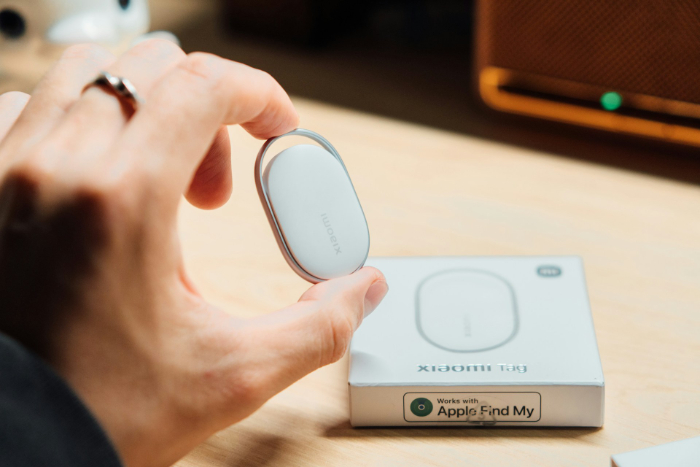
Choosing whether a Bluetooth tracker earns its spot in your bag comes down to your habits, surroundings, and what you want to protect.
People Who Get the Most Value From a Tracker
Frequent flyers who regularly check luggage gain immediate reassurance from watching bags move between terminals. Busy commuters juggling work badges, laptops, and transit cards, along with anyone who routinely misplaces keys or wallets around the house, also save noticeable time each week.
Where you live matters just as much as your routine. Residents of populated cities, college campuses, and busy suburbs benefit from dense smartphone traffic, giving lost tags a strong chance of pinging back quickly if dropped outside the home.
Situations Where a Tracker Is Not Worth the Money
Minimalist travelers who pack strictly into carry-on bags rarely lose sight of their luggage long enough to need a tag. Likewise, organized people who always drop keys and wallets in the same bowl or drawer may find that an app sits unused for months.
Environment also limits value. People living in isolated rural towns or spending most of their time on remote trails with little foot traffic will rarely see out-of-range tags update on a map.
Alternative Solutions for Pets, Vehicles, and High-Value Gear
Bluetooth trackers are built for misplaced personal items, not high-stakes recovery. For wandering dogs or cats, cars, motorcycles, boats, or expensive commercial tools, stepping up to a dedicated cellular GPS tracker is far more reliable.
Although cellular GPS trackers cost more upfront, require frequent recharging, and carry ongoing monthly service fees, they transmit live locations independently across highways, woods, and rural properties without waiting for a passerby’s smartphone to come within range.
Conclusion
For most everyday buyers, a Bluetooth tracker is well worth its modest $20 to $35 price tag. It serves as an affordable safety net for finding misplaced keys, wallets, and backpacks around the house, while offering valuable peace of mind for checked luggage in airports and populated cities.
Just keep realistic expectations in mind before buying. A Bluetooth tag is a practical convenience and recovery aid, not an anti-theft system or a substitute for a cellular GPS tracker when protecting vehicles, wandering pets, or high-value gear in remote areas.
Frequently Asked Questions
How far away can a Bluetooth tracker still find my stuff?
A Bluetooth tracker can update its location from miles away, even though its direct signal only reaches 100 to 400 feet (30 to 122 meters). Beyond direct range, passing smartphones on networks like Apple Find My or Google Find Hub anonymously detect the tag and upload its approximate coordinates to your map.
Do I have to pay a monthly fee for a Bluetooth tracker?
No, most Bluetooth trackers do not require a monthly fee for basic tracking. Tags on Apple Find My, Google Find Hub, or Samsung SmartThings Find include standard finding features for free after a $20 to $35 purchase. Only certain third-party apps charge $3 to $10 monthly for extras like 30-day location history.
Can I use a Bluetooth tracker to catch a thief if my bag gets stolen?
A Bluetooth tracker is unreliable for theft recovery because built-in safety rules warn people when an unknown tag is moving with them. Both iOS and Android phones trigger unwanted tracker alerts to prevent stalking, which lets a thief easily make the tag chime, find it, and throw it away.
Which tracker works best if my family uses both iPhones and Android phones?
Cross-platform trackers on the Life360/Tile network work best for mixed households because they support both iOS and Android devices through one app. By contrast, Apple AirTags only pair with iPhones, and Samsung Galaxy SmartTags require Samsung phones. Several newer third-party tags also let you choose either Apple or Google during setup.
Can I put a Bluetooth tracker on my dog’s collar or inside my car?
A Bluetooth tracker is a poor fit for pets or vehicles, so you should choose a cellular GPS tracker instead. Bluetooth tags stop updating in woods, rural roads, or isolated areas without passing smartphones and do not stream continuous live movement. Dedicated GPS trackers cost more monthly but actively track anywhere with cell service.
About the Author: Elizabeth Baker


