
What Is Frame Rate? How It Affects Gaming and Film

Movement on a screen is a lie. Every movie, game, or video you watch is actually a rapid-fire sequence of still photos.
This sequence creates the perception of fluid action through a metric known as frame rate, or frames per second (FPS). By tricking your brain into filling the gaps between images, technology creates a window into another reality.
Choosing the right speed changes how you feel about what you see. A low rate can make a movie feel like a dream, while a high rate makes a video game feel sharp and responsive.
Picking the correct setting is a vital decision for anyone behind a camera or a controller. Getting it wrong can ruin the immersion, but getting it right makes the experience seamless and believable.
Key Takeaways
- Frame rate is the number of individual images displayed every second to create the perception of movement.
- 24fps is the standard for cinema, while 30fps and 60fps are common for television and high-action sports.
- In gaming, higher frame rates reduce input lag and provide more visual information for better responsiveness.
- Choosing a high frame rate increases demands on storage space, internet bandwidth, and hardware processing power.
- Matching your camera settings to the local electrical frequency prevents visual flickering caused by artificial lighting.
The Mechanics of Motion
Cameras record light data as a series of snapshots that, when played back in rapid succession, appear to move. This speed of capture and playback is measured in frames per second.
The technical process involves a precise coordination between the recording device and the display to ensure that the timing of the action remains consistent for the viewer.
How Devices Process Frames
A camera sensor opens and closes its electronic or mechanical shutter to record light onto a single frame. Once recorded, these frames are stored as digital data.
When you play a video, your screen repeats this process in reverse, flashing those images in front of your eyes at a specific frequency. If a camera records at 60 frames per second, the monitor must cycle through 60 individual pictures every second to maintain the intended timing of the footage.
The Biological Illusion of Movement
The human eye does not process reality in frames, yet the brain can be tricked into perceiving continuous motion if images appear fast enough. This happens because of a biological effect where an image remains on the retina for a fraction of a second after it disappears.
When the next image arrives before the previous one fades, the brain stitches them together into a single moving sequence. If the frame rate is too low, the movement looks choppy or stuttered because the brain identifies the gaps between the images.
Distinguishing Shutter Speed from Frame Rate
It is common to confuse frame rate with shutter speed, but they serve different purposes. Frame rate determines how many images are recorded every second.
Shutter speed determines how long the sensor is exposed to light for each of those individual images. A fast shutter speed creates a crisp, frozen image with no blur, while a slower shutter speed allows for natural motion blur.
Even if the frame rate stays at 24fps, changing the shutter speed will drastically change how much blur is visible in every frame.
Industry Standards and Use Cases

Standardized speeds ensure that content looks consistent across different screens and regions. These standards exist because different types of media require specific visual styles to satisfy the expectations of the audience.
The choice often comes down to whether a creator wants a production to feel like a high-budget movie or a realistic live broadcast.
24fps: The Cinematic Standard
Most movies use 24 frames per second. This standard began in the early days of sound film because it was the slowest, most cost-effective speed that could still support a clear audio track.
Over time, it became the aesthetic choice for filmmakers. It provides a specific amount of motion blur that feels artistic and less like real life.
This slight lack of clarity creates a filmic quality that viewers associate with professional storytelling and drama.
30fps: Television and Social Media
Broadcast television and social media platforms often use 30 frames per second. This rate provides a clearer, more realistic image than 24fps, making it a popular choice for news, talk shows, and live events.
Because it looks more like what we see in our daily lives, it feels grounded and immediate. Most smartphones and social media apps use this as their default setting because it balances file size with a smooth viewing experience that works well on mobile screens.
60fps: Smoothness and Action
High-action content, such as sports and nature documentaries, often uses 60 frames per second. At this speed, motion blur is significantly reduced, allowing viewers to see fine details during fast movements.
A football player running or a bird flapping its wings remains sharp rather than becoming a smear of color. This high level of detail makes the footage feel hyper-realistic, which is why it is preferred for content where clarity is more important than an artistic atmosphere.
Gaming and Interactive Performance
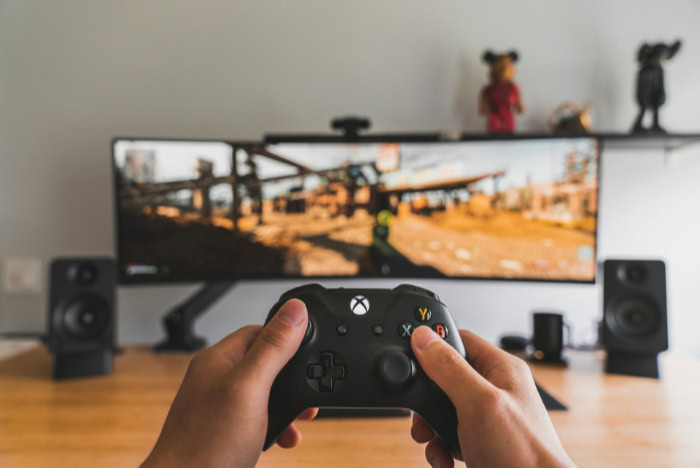
In interactive media, frame rate is not just about how things look; it is about how they feel. High-performance hardware must work in tandem with the display to ensure that the user’s actions are reflected on the screen without delay.
For gamers, the number of frames being generated can be the difference between a fluid experience and a frustrating one.
The Relationship Between FPS and Refresh Rate
While frame rate is the number of images a computer or console produces, the refresh rate (measured in Hertz) is the number of times a monitor updates its display per second. If a computer generates 120 frames per second but the monitor only has a 60Hz refresh rate, the screen cannot show all the frames being produced.
Conversely, if the monitor is 144Hz but the game only runs at 30fps, the experience will still look choppy because the monitor is simply repeating the same images multiple times.
Responsiveness and Input Latency
For gamers, a higher frame rate provides a distinct advantage by reducing the time between a physical action, like clicking a mouse, and the visual result on the screen. This is known as input latency.
At higher speeds, the computer processes and displays your movements more frequently, making the game feel more snappy and immediate. In fast-paced environments, this split-second difference in visual feedback can determine success or failure in a match.
Managing Variable Frame Rates and Tearing
Performance can fluctuate during a game, causing the frame rate to drop or spike depending on the complexity of the scene. When the number of frames being sent by the hardware does not match the refresh rate of the monitor, a visual glitch called screen tearing can occur.
This looks like the image is being split or shifted horizontally. Technologies like G-Sync or FreeSync allow the monitor to change its refresh rate on the fly to match the hardware output, keeping the motion smooth even when performance is inconsistent.
Visual Aesthetics and Creative Choice

The visual feel of a video depends heavily on the frame rate selected during production. Beyond technical clarity, these settings influence the emotional response of the audience and determine whether a scene feels grounded in reality or suspended in a cinematic atmosphere.
Every frame rate carries its own visual language that creators use to guide the viewer’s focus.
The Soap Opera Effect
High frame rates can sometimes produce an unintended consequence known as the soap opera effect. When scripted dramas or movies are displayed at 60fps or higher, the movement looks so fluid that it loses the traditional film look.
This hyper-realistic clarity can make expensive movie sets look like cheap stage plays and can make special effects appear artificial. Many viewers find this look distracting because it removes the dreamlike separation between the audience and the screen, making the production feel like a home video or a live broadcast instead of a polished movie.
Techniques for Slow Motion
Capturing high-quality slow motion requires recording at a high frame rate and then playing those frames back at a slower speed. For instance, a camera might record 120 or 240 frames in a single second.
When that footage is played back at a standard 24fps, the action is stretched out over several seconds. This creates a smooth and detailed look at movements that are usually too fast for the eye to track.
Without these extra frames, slow-motion footage would appear choppy and broken because there would not be enough visual information to fill the time.
Managing Motion Blur
Professional creators often use the 180-degree rule to ensure that motion looks natural to the human eye. This rule suggests that the shutter speed should be double the frame rate.
If a filmmaker shoots at 24fps, they set the shutter speed to 1/48 of a second. This specific balance creates a slight blur on moving objects that mimics how humans see motion in real life.
If the shutter speed is too fast, the motion looks jittery and robotic. If it is too slow, the image becomes a blurry mess.
Maintaining this ratio is a vital part of professional cinematography.
Technical Constraints and Performance

Choosing a frame rate is not just an artistic decision; it is a technical one that involves physical limits. Higher frame rates demand more from every part of the technology chain, from the camera sensor to the internet connection.
Storage and Bandwidth Requirements
Higher frame rates lead to significantly larger files. A video shot at 60fps contains twice the data of a 30fps video, assuming all other settings remain the same.
This increase in data requires more space on hard drives and memory cards. For streaming services, higher frame rates mean more bandwidth is needed to deliver the video to the viewer without buffering.
Companies must often balance the desire for smooth motion with the reality of storage costs and the internet speeds of their audience.
Hardware and Processing Demands
Rendering or encoding video at high speeds places heavy stress on hardware. The processor and graphics card must work much harder to generate and display images when the frame rate is high.
In gaming, this can lead to the hardware running hotter and consuming more power. In video editing, high-frame-rate footage takes much longer to export and requires more system memory to preview smoothly.
If a device cannot keep up with these demands, the performance will drop, leading to stuttering or system crashes.
Lighting and Electrical Interference
Artificial lighting can create visual issues if the frame rate does not match the local power grid frequency. In many parts of the world, electricity runs at 60Hz, while in others it runs at 50Hz.
Light bulbs actually pulse at these frequencies, though it is too fast for the eye to see. If a camera records at a frame rate that is out of sync with this pulse, the video may show a distracting flicker or strobing effect.
To avoid this, creators must adjust their frame rates or shutter speeds to align with the electrical standards of their specific region.
Conclusion
Frame rate defines the texture of our visual experiences. Lower rates like 24fps provide a soft, artistic blur that mimics the feel of traditional cinema.
Higher rates like 60fps or 120fps offer the clarity and precision needed for fast-paced action and competitive gaming. There is no single setting that works for every situation.
Instead, the right choice depends on the specific goals of the creator and the expectations of the audience. Balancing these aesthetic desires with the practical limits of storage and processing power ensures that the final product is both beautiful and functional.
Understanding these technical trade-offs allows for a more intentional approach to how we record and view the world.
Frequently Asked Questions
What is the best frame rate for YouTube videos?
Most creators use 30fps because it provides a realistic look that suits a wide variety of content. This rate works well for vlogs, tutorials, and educational videos because it balances smooth motion with manageable file sizes. If you want a more cinematic look for a short film, 24fps is a better choice.
Does a higher frame rate improve gaming performance?
A higher frame rate reduces input lag, which makes a game feel much more responsive to your controls. This provides a clear advantage in competitive titles where every millisecond counts. However, you need a monitor with a high refresh rate to actually see the extra frames your computer generates.
Why do some movies look weird on my new television?
Many modern televisions have a setting called motion smoothing that artificially increases the frame rate of a movie. This creates the soap opera effect, making a cinematic 24fps film look like a 60fps live broadcast. Turning off this feature restores the original look that the director intended for the film.
How does frame rate affect the size of a video file?
Frame rate has a direct impact on the amount of data stored in a video file. Doubling the frame rate from 30fps to 60fps essentially doubles the amount of visual information being processed every second. This leads to larger file sizes, which can fill up storage space and require more internet bandwidth for streaming.
What is the difference between FPS and Hz?
FPS describes the number of frames a computer or console generates in one second. In contrast, Hz refers to the number of times a monitor refreshes its screen per second. To get the smoothest experience, your hardware output should ideally match or stay below the maximum refresh rate of your display.
About the Author: Elizabeth Baker


