
What Is Wearable Technology? Explained
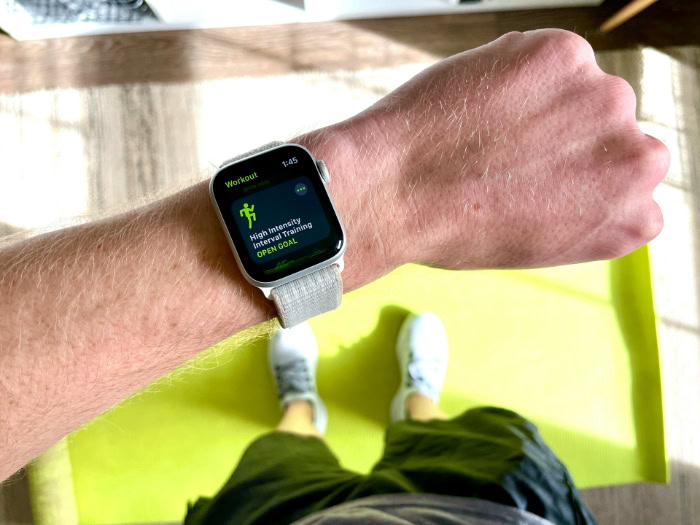
Everyday personal accessories have evolved significantly over recent decades. Items once worn solely for fashion or basic utility, such as standard wristwatches and rings, now house compact computer processors and sensors that link directly to the internet.
Known as wearable technology, these items maintain steady contact with human skin to track vital signs, process notifications, and log fitness data. Today, they integrate computing power directly into regular routines.
A thorough review covers foundational definitions, internal hardware mechanics, and widespread consumer categories like smartwatches and hearables. In addition, balancing their practical advantages against persistent constraints, such as limited battery capacity, measurement accuracy, and personal privacy risks, provides an accurate view of their modern place in society.
Key Takeaways
- Wearables are active electronic devices that maintain continuous skin contact, using onboard microcontrollers and sensors to convert body movement and pulse signals into digital metrics.
- Optical sensors and accelerometers track vitals and motion by measuring light absorption in blood vessels and physical velocity, while Bluetooth Low Energy syncs the data to paired smartphones.
- Common designs range from interactive smartwatches with touchscreens between 1.2 inches and 1.9 inches to streamlined fitness bands, biometric earbuds, and screen-free smart rings.
- Beyond activity tracking and hands-free notifications, these devices support contactless payments and continuous heart monitoring that helps detect irregular rhythms such as atrial fibrillation.
- Consumer wearables produce approximate trend estimates rather than clinical medical diagnoses, require frequent charging due to compact batteries under 500 mAh, and raise privacy concerns regarding corporate data storage.
Definition and Core Characteristics of Wearable Technology
Wearable technology represents a unique category of consumer electronics designed to blend computing directly with the human body. Unlike stationary personal computers or handheld devices that users frequently pick up and put down, these systems remain physically attached to an individual throughout the day.
This steady physical proximity allows for continuous background operation, establishing a direct connection between personal habits and electronic data collection.
Definition of a Smart Wearable Device
A smart wearable device is a compact electronic unit engineered for continuous, direct contact with the body. While a standard mechanical watch or a traditional necklace serves a purely passive aesthetic or timekeeping purpose, a smart device contains active computing elements.
It incorporates miniaturized circuitry, power supplies, and communication hardware that actively process information. Passive accessories lack internal computing logic and do not interact with data.
In contrast, active wearables generate, process, and transmit data independently or in coordination with other connected systems, expanding how personal electronics track human movement.
Distinction from Traditional Accessories and Mobile Phones
Traditional accessories exist primarily to provide decorative value or mechanical utility. An analog watch tells the hour using wound springs or quartz crystals, and traditional jewelry serves aesthetic preferences without gathering information about the wearer.
Smart devices fundamentally diverge from these items by incorporating processors that continuously track activity and physiological signals.
Smart devices also differ substantially from smartphones. Mobile phones remain general-purpose computing platforms with spacious displays, powerful processors, and comprehensive multitasking capabilities.
Wearables rarely replace these devices because compact screens and modest batteries limit heavy computing tasks. Instead, they act as companion extensions.
A wearable handles immediate, lightweight interactions, such as delivering urgent notifications or logging movement, which frees users from pulling a phone out of a pocket or bag.
The Role of Continuous Body Contact
The defining attribute of wearable technology is unbroken physical contact with the skin. A smartphone carried inside a purse or resting on a desk cannot measure an individual’s pulse, skin temperature, or subtle shifts in muscle tension.
Physical placement against the body allows internal sensors to capture physiological data continuously throughout the day and night.
To collect reliable readings, a device must maintain snug, consistent skin contact. If a fitness band shifts around or hangs loosely, optical sensors cannot capture clean signals.
This technical requirement makes ergonomic design essential. Manufacturers must shape enclosures from hypoallergenic materials and design flexible bands that conform to diverse body shapes without causing discomfort, skin irritation, or inaccurate measurements.
Internal Hardware and Operational Architecture

Beneath the compact exterior of any wearable device lies a dense arrangement of specialized hardware components. These miniature systems must collect physical signals from the wearer, translate those signals into meaningful information, and send the results to external software.
Building these devices requires a careful balance between physical dimensions, processing capability, and energy consumption.
Sensors for Motion and Biometric Detection
Sensors serve as the sensory organs of wearable technology, turning physical states into electrical signals. Accelerometers detect changes in velocity along three physical axes, tracking step counts and movement patterns.
Gyroscopes work alongside them to measure rotation and orientation, identifying whether a user is swimming, running, or standing still.
Biometric tracking relies heavily on optical sensors. These components shine green or infrared light from small light-emitting diodes into the skin, while adjacent photodetectors measure how light scatters through circulating blood vessels.
As the heart pumps blood, the volume of blood in the tissue expands and contracts, altering light absorption. The sensor converts these optical fluctuations into raw pulse data.
Additionally, surface temperature monitors detect minute changes in skin warmth, offering further context on rest patterns and physical exertion.
Microprocessors and Embedded Software
Once sensors collect raw electrical readings, microprocessors interpret the incoming data. Wearable devices cannot use standard desktop or smartphone processors, which consume too much power and generate excessive heat.
Instead, they rely on low-power microcontrollers designed to operate efficiently while running specialized embedded operating systems.
These small processors run tailored algorithms that translate raw sensor input into practical metrics. For example, an accelerometer does not simply record steps; it outputs rapid streams of coordinate changes.
On-device algorithms filter out background noise, such as hand gestures or car vibrations, to determine whether those movements match an actual walking stride. Similar software routines evaluate heart rate variability and motion data to estimate whether a user is in deep sleep, light sleep, or rapid eye movement stages.
Wireless Connectivity and Data Transmission Protocols
Because wearables possess limited on-board storage and restricted display areas, they depend on wireless connectivity to offload data and communicate with broader networks. Bluetooth Low Energy represents the standard connection method for daily operation. This protocol transmits periodic data bursts to a paired smartphone while consuming minimal power, preserving battery life.
Many advanced devices also incorporate Wi-Fi chips to connect directly to home networks and cloud servers without a phone nearby. Near Field Communication chips enable secure short-range data exchange within a physical range of 2 inches, allowing users to process payments at checkout terminals. Through these wireless standards, companion smartphone applications synchronize information in the background, uploading health logs to cloud accounts and pushing software updates back down to the wearable.
Major Categories of Consumer Wearables

Consumer wearable devices appear in several distinct physical formats, each designed to balance comfort, functionality, and aesthetic preferences. While early iterations centered almost exclusively on fitness tracking around the wrist, modern designs span multiple areas of the body.
Different form factors prioritize particular tasks, ranging from comprehensive daily computing to subtle background health monitoring.
Wrist Devices: Smartwatches and Fitness Bands
Wrist-mounted hardware remains the most recognizable format in the consumer market. Smartwatches function as multipurpose companion platforms. They feature interactive touchscreens, often measuring between 1.2 inches and 1.9 inches, capable of running dedicated applications, answering phone calls, displaying incoming messages, and tracking general health.
Because of their extensive feature sets, smartwatches demand more physical space and regular charging.
Fitness bands offer a streamlined alternative. These devices typically feature narrow profiles, minimal displays, or no screens at all.
Rather than running complex applications, fitness bands focus on tracking basic activity metrics like steps, distance, active minutes, and heart rates. Their stripped-down interface and smaller processing demands allow them to run for several days on a single battery charge while maintaining a lightweight profile.
Audio Wearables: Hearables and Smart Earbuds
Audio wearables, commonly referred to as hearables, place computing and sensor capabilities directly into the ear canal. While standard wireless earbuds focus entirely on audio playback, smart versions combine speakers with miniaturized motion and biometric sensors.
The rich blood supply in the ear makes it an effective location for measuring pulse rates and body temperature during physical exercise.
These devices also incorporate voice controls and active audio adjustments. Microphones pick up voice commands to manage phone calls or interact with digital assistants without touching a screen.
Sophisticated sound processing chips adjust external noise levels instantly, delivering active noise cancellation or ambient awareness modes that help users remain conscious of surrounding traffic during outdoor workouts.
Alternate Form Factors: Smart Jewelry, Eyewear, and Smart Textiles
Beyond the wrist and ears, manufacturers have expanded wearable hardware into items traditionally chosen for fashion or vision correction. Smart rings, for example, pack miniature sensors and battery cells into a titanium or ceramic band.
Without screens to distract the user, smart rings quietly capture sleep stages, temperature trends, and heart rate data, functioning as discreet monitors that can last four to seven days between charges.
Smart eyewear integrates audio speakers, cameras, or heads-up displays into conventional eyeglass frames. Users can listen to audio navigation, capture hands-free photographs, or view digital directions without looking down at a mobile display.
Smart textiles take integration even further by weaving conductive silver or polymer threads into clothing fabric. These garments measure muscle activation, posture, and respiratory rates across broad areas of the torso or legs, providing detailed performance feedback during athletic activities.
Primary Applications and Everyday Advantages

The presence of constant, on-body computing provides practical benefits that simplify daily routines and encourage healthier lifestyle habits. By removing the friction associated with manual tracking and physical phone handling, wearable devices automate data gathering and streamline everyday communications.
These advantages span personal fitness routines, health management, and rapid task completion.
Physical Fitness and Daily Activity Metrics
Wearable devices simplify personal fitness by quantifying everyday movements into clear, actionable data. Users no longer need to guess how much activity they complete during an average workday.
Devices automatically calculate total step counts, active minutes, and estimated caloric expenditure based on movement patterns and personal physical profiles.
For athletes and casual runners, wearables deliver immediate feedback that guides training intensity. Built-in Global Positioning System receivers calculate distance and route maps, while internal sensors track running cadence and pace.
A runner targeting a 5-mile (8.05 km) workout can monitor current speed per mile and heart rate zones with a quick glance at their wrist, adjusting effort immediately to avoid exhaustion.
Preventative Healthcare and Vital Sign Detection
Wearables also support preventative health by monitoring vital signs continuously over long periods. Unlike periodic checkups in a clinic, a wearable records heart rates during exercise, rest, and sleep, providing an ongoing baseline for normal physical function.
Many devices include software algorithms that scan for irregular heart rhythms, such as atrial fibrillation, alerting the user to investigate unusual spikes or erratic beats.
Additionally, blood oxygen sensors estimate blood saturation levels, while skin temperature sensors observe baseline shifts that may signal onset illness or menstrual cycle phases. These continuous measurements create organized personal health logs within companion mobile applications.
Users can share these detailed records with medical professionals, supplying weeks of observational data that provide context beyond a single office visit.
Hands-Free Communication and Task Management
Convenience extends into everyday communication and errand handling. Wearables deliver alerts directly to the wrist or ear, enabling users to filter phone calls, text messages, and calendar reminders without reaching for their phones.
Gentle vibration motors notify users of incoming events discreetly, which reduces screen distractions during meetings or social conversations.
Financial transactions also become faster through contactless payment hardware. With an authenticated payment card stored securely in the device, a consumer simply taps their watch against a payment terminal to complete a purchase.
This eliminates the need to handle cash or retrieve a physical wallet from a pocket, turning micro-transactions into swift interactions at checkout.
Technical Constraints and User Challenges

Despite their broad functionality, wearable devices face significant engineering and social hurdles. Developing electronics that people wear directly on their bodies requires compromises between physical size, hardware performance, and data security.
Recognizing these limitations helps users maintain realistic expectations regarding device capability and personal privacy.
Personal Data Privacy and Cybersecurity Risks
The continuous collection of personal metrics introduces notable security vulnerabilities. Wearables do not just store simple usernames and passwords; they accumulate sensitive, minute-by-minute records of physical locations, sleep routines, heart activity, and daily habits.
If an attacker breaches a companion application or intercepts wireless transmissions, this intimate behavioral profile becomes exposed.
Concerns also extend to corporate data handling practices. Many device manufacturers synchronize user metrics to cloud servers, where ambiguous terms of service may permit sharing anonymized information with third-party data brokers or marketing firms.
Users frequently lack clear insight into how long companies store their physiological records, who can purchase that information, or whether employer-sponsored wellness programs share health trends with insurance providers.
Battery Capacity and Daily Maintenance Requirements
Hardware engineering must balance energy consumption against physical comfort. Because a wearable must remain lightweight and compact, there is little physical volume available for a high-capacity lithium-ion battery.
Many smartwatch batteries possess capacities under 500 mAh, which must power bright color displays, wireless radios, and continuous biometric sensors simultaneously.
This limited energy reserve requires frequent maintenance from the user. Many popular smartwatches require daily charging, while sensor-dense devices may last only 18 to 36 hours before depleting their cells.
Having to charge another electronic accessory every evening adds friction to ownership. If a user forgets to place the device on its charger, morning tracking fails, and daily continuity breaks.
Sensor Accuracy and Clinical Data Reliability
Consumers often mistake wearable metrics for certified medical diagnostics, leading to misplaced confidence or unnecessary stress. Most commercial smartwatches and fitness trackers use consumer-grade sensors optimized for trend detection rather than clinical precision.
Movement artifacts, loose wristbands, arm hair, and variations in skin pigmentation can distort optical pulse readings or step counts.
These inaccuracies can trigger false alarms, causing unnecessary panic over temporary heart rate spikes or dropped oxygen readings that stem entirely from a sensor slipping against the skin. Conversely, users might mistakenly rely on normal wearable readings to dismiss genuine symptoms of illness instead of seeking professional medical care.
Recognizing that consumer wearables generate estimates rather than definitive medical findings is essential for safe usage.
Conclusion
Wearable technology merges computing directly into daily routines through sensor-packed devices worn against the skin. From multifunctional smartwatches and fitness bands on the wrist to smart earbuds and screen-free rings, these tools convert physiological signals and body motion into practical data.
By syncing with smartphones and cloud networks, they automate daily tracking and provide immediate notifications without physical disruption.
These connected accessories offer clear advantages for personal health tracking, fitness coaching, and communication, yet they require realistic user expectations. Small batteries demand frequent recharging, consumer-grade sensors provide approximations rather than certified medical diagnoses, and continuous data collection brings meaningful privacy risks.
When adopted with an awareness of these physical and technical boundaries, wearable devices serve as capable companions that simplify daily tasks and promote healthier lifestyles.
Frequently Asked Questions
Can a smartwatch replace a smartphone?
A smartwatch cannot fully replace a smartphone because its compact display and smaller battery restrict complex computing tasks. Smartwatches serve as companion accessories designed for quick notifications, fitness logging, and brief replies. For extensive web browsing, detailed document editing, and long phone conversations, a standard smartphone remains necessary.
How accurate are fitness trackers at measuring heart rate?
Fitness trackers provide reliable estimates for general daily trends, but they do not match clinical medical equipment. Optical sensors read pulse rates by bouncing light off blood vessels, which means heavy wrist movement or loose straps can distort readings. They are effective for tracking personal workout intensity rather than diagnosing underlying medical conditions.
Do wearable devices work without an internet connection?
Wearables can track motion, pulse rates, and sleep patterns offline without an active internet connection. Internal sensors store this physical data in local memory until the device reconnects to a smartphone or home Wi-Fi network. However, receiving live app notifications, syncing cloud backups, and updating weather forecasts require an active internet link.
Why do smartwatches need to be charged so often?
Smartwatches require frequent charging because their compact frames accommodate only tiny batteries that must power multiple demanding components. Bright color displays, continuous heart rate sensors, and background wireless radios quickly drain power reserves. Most full-featured smartwatches last between 18 and 36 hours before needing a charger, whereas screen-free fitness bands often last several days.
Are my personal health records safe on a wearable device?
Personal health records carry privacy risks because wearable companies store biometric information on cloud servers that could be breached or monetized. While manufacturers use encryption to protect wireless sync transfers, corporate privacy policies sometimes permit sharing anonymized metrics with third-party data brokers. Users should review account privacy settings and restrict data-sharing permissions to protect their information.
About the Author: Julio Caesar


