
Why Do Modern Phones Not Have Headphone Jacks Anymore?

Most of us have experienced the sudden frustration of trying to plug trusted wired headphones into a modern phone, only to find the familiar circular port is gone. This abrupt design change forced millions of users to purchase expensive wireless gear or carry easily misplaced adapters.
For decades, the 3.5mm jack served as a reliable, universal standard for audio, working seamlessly across nearly every consumer device. Yet, within a few short years, major manufacturers systematically phased it out, sparking widespread public debate.
Key Takeaways
- The removal of the 3.5mm jack in 2016 freed up critical space inside phone chassis, allowing manufacturers to fit larger batteries, multi-lens cameras, and advanced haptic motors.
- By eliminating the analog port, brands significantly simplified the process of sealing device frames to achieve higher water-resistance ratings like IP68.
- The transition was highly profitable, generating a massive global market for True Wireless Stereo earbuds and other high-margin proprietary accessories.
- Wired headphones provide uncompressed audio quality and zero latency, whereas wireless alternatives compress audio over Bluetooth and rely on built-in batteries that degrade over time.
- Consumers who require wired audio can use active USB-C adapters with built-in digital-to-analog converters, buy direct USB-C headphones, or choose budget and specialized gaming phones that still retain the port.
The History and Industry Transition of Mobile Audio
The modern smartphone is a marvel of consolidation, packing features that once required several distinct electronics into a single pocket-sized device. For decades, the headphone port remained a universal constant, allowing users to plug in almost any audio device instantly.
However, the path toward a completely wireless future began with a highly publicized industry transition that fundamentally modified consumer habits.
Historical Context
In 2016, Apple made the controversial decision to remove the analog headphone port from its flagship iPhone 7, a move that company executives described as an act of courage. While other brands had experimented with this design choice on niche devices, this specific event served as the main catalyst for a broader industry shift.
Initial consumer reaction was overwhelmingly negative, marked by widespread media skepticism and public pushback. Tech reviewers argued that forcing users to adopt wireless alternatives or rely on awkward adapters was an unnecessary inconvenience.
Many consumers viewed the decision as user-unfriendly and predicted it would fail to gain traction.
Industry Adoption
Despite the early outrage, the omission of the analog port quickly transitioned from a unique design experiment into a standard practice across the smartphone market. High-end Android manufacturers, who had initially mocked the trend in their marketing campaigns, began to follow suit.
Within a few product generations, leading brands phased out the jack from their flagship models, cementing a wireless-first reality. Today, the choice to exclude the port is no longer a point of contention but a widely accepted industry norm for premium handheld hardware.
Internal Engineering and Space Constraints

The physical design of mobile devices is a game of millimeters, where every internal component competes for limited real estate. Removing the headphone port was not merely an aesthetic choice, but a practical response to the complex spatial challenges inside modern phone frames.
Engineering priorities required a reevaluation of how internal space was utilized to meet the growing demands of modern consumers.
Battery Capacity and Physical Size
Consumers consistently demand phones with longer battery life alongside thinner overall profiles. The 3.5mm headphone jack requires a surprising amount of internal space, as the barrel of the port must extend relatively deep into the body of the device.
This volume directly cuts into the space available for the battery. By eliminating the analog port, hardware designers can expand the battery cavity, allowing for higher capacity cells that keep devices powered throughout the day without increasing the phone’s thickness.
Camera and Sensor Integration
The internal layout of modern smartphones is further complicated by advanced hardware components that did not exist a decade ago. Multi-lens camera systems, optical image stabilization mechanisms, and larger, highly responsive haptic feedback motors require substantial physical room near the top and bottom of the device.
Because these sophisticated components must sit within the same tightly packed chassis, removing the physical jack frees up the micro-allocated space necessary to house them without compromising on device design.
Structural Integrity and Water Resistance
A device chassis with fewer openings is inherently stronger and easier to protect against the elements. Sealing a phone to achieve high Ingress Protection ratings, such as IP68, becomes significantly less complex when there are fewer physical ports to insulate against dust and liquid.
Furthermore, removing the circular cutout from the outer frame enhances the overall structural strength of the device, making the frame less prone to bending or cracking under pressure.
Business Motivations and Ecosystem Control

While physical engineering explains how the port’s removal was accomplished, commercial factors explain why companies were so eager to make the transition. Smartphone manufacturers operate in a highly saturated market, prompting them to seek new revenue streams.
Phasing out the audio port created a brand-new product category and shifted how consumers buy accessories.
The Rise of Wireless Accessories
The elimination of the headphone port directly accelerated the growth of the True Wireless Stereo earbud market. Without an easy way to plug in wired headphones, millions of consumers turned to wireless audio solutions.
This change opened up a highly profitable market for phone brands, who began selling their own companion wireless earbuds. Because accessories typically enjoy much higher profit margins than the highly competitive smartphone hardware itself, this shift served as a powerful financial incentive for manufacturers.
Brand Ecosystem Loyalty
Removing the physical port also allowed companies to strengthen their control over hardware ecosystems. By using proprietary wireless pairing chips and exclusive Bluetooth features, brands encourage consumers to stay within their product family.
For example, wireless earbuds from a specific manufacturer often pair faster, offer better noise cancellation, or support spatial audio only when used with that same brand’s smartphones. This integration creates a closed-loop system where switching to a competitor’s phone means losing advanced features on expensive accessories.
Component Costs and Licensing
Every physical port on a device adds to its manufacturing costs. A traditional headphone port requires an internal digital-to-analog converter to process sound before it leaves the phone.
By removing this dedicated circuit, manufacturers can lower their raw component costs. Shifted audio processing tasks are instead offloaded to the external headphones or adapters, reducing the complexity and cost of the phone’s internal mainboard.
Comparison of Audio Standards

The transition away from the analog jack represents a fundamental shift in how audio signals are processed and delivered to our ears. Moving from an established analog format to modern digital connections has changed the audio experience, introducing distinct differences in performance, convenience, and hardware lifespan.
Analog vs. Digital Signals
Traditional headphone jacks carry an analog signal directly to speakers, which means the heavy lifting of converting digital audio files into sound waves happens inside the phone. With USB-C or Lightning connections, the signal remains digital as it leaves the device.
This shift relocates the digital-to-analog converter from the phone’s body to the headphone cable or the wireless earbuds themselves. This change gives premium audio companies control over their own processing hardware, though it often requires bulkier cables or external dongles for standard wired headphones.
Latency and Stability
Wired connections remain highly reliable because they carry signals through physical copper wires, resulting in near-zero delay. Wireless audio relies on Bluetooth, which introduces physical latency that can be highly noticeable when gaming, synchronizing video, or producing music.
Although newer Bluetooth standards have improved transmission speeds, wireless connections are still prone to audio lag and occasional signal dropouts caused by environmental interference from other electronics.
Audio Quality and High-Resolution Support
For audiophiles, physical wires remain the preferred choice because they easily transmit uncompressed, high-resolution audio. Bluetooth connections must compress audio files to fit within wireless bandwidth limits, often sacrificing minor details in the music.
Furthermore, wireless earbuds rely on built-in rechargeable batteries that degrade over time. Once those tiny batteries lose their capacity, the entire product must be replaced, whereas high-quality wired headphones can easily last for decades without performance loss.
Modern Adaptations and Workarounds
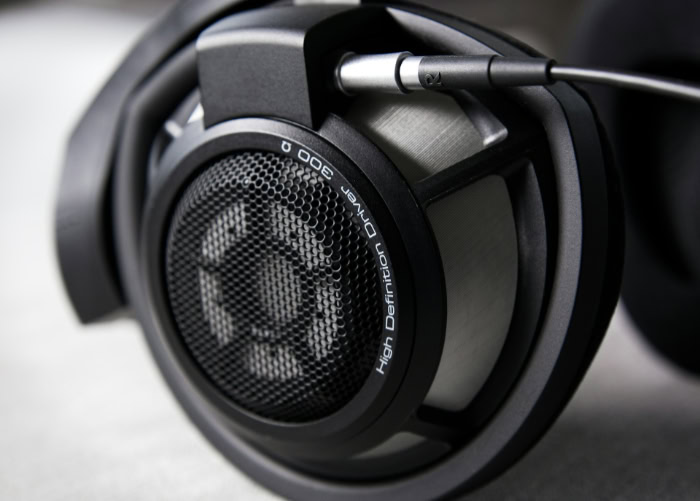
The absence of a dedicated headphone port has forced consumers to adapt, leading to the creation of several hardware workarounds. While some users have embraced wireless audio, others still rely on wired connections for specific tasks.
Fortunately, several options exist to bridge the gap between traditional audio gear and modern port configurations.
Adapters and Dongles
The most common solution for using wired gear with modern phones is an adapter. These small dongles plug into the USB-C or Lightning port, ending in a female 3.5mm jack.
However, not all adapters are constructed the same way. Passive adapters simply route the analog audio signal from the phone’s port, while active adapters contain a built-in digital-to-analog converter to process the digital audio stream externally.
Using active adapters is often necessary for phones that do not output analog signals through their charging port.
USB-C Wired Headphones
For consumers who prefer wired audio but want to avoid carrying adapters, USB-C headphones offer a direct alternative. These headphones connect directly to the phone’s charging port and handle digital audio processing internally.
While they provide a stable, lag-free connection, they introduce a notable limitation: users cannot charge their phone and listen to wired audio at the same time without using a bulky, multi-port splitter.
Smartphone Alternatives with Legacy Ports
Despite the widespread industry shift, a small segment of the smartphone market still accommodates users who refuse to give up the analog port. Budget and mid-range devices frequently retain the headphone jack, as their larger chassis are less crammed with high-end sensors, and their target buyers may not want to purchase expensive wireless gear.
Additionally, specialized gaming phones and audiophile-centric devices continue to feature the legacy port, appealing to users who demand lag-free, high-fidelity audio as a primary function.
Conclusion
The departure of the analog headphone port from modern smartphones was a calculated decision shaped by both physical engineering demands and lucrative business opportunities. Internally, designers needed every millimeter of space to expand battery capacity, improve water resistance, and integrate advanced multi-lens camera systems.
Externally, the move created a massive market for wireless accessories, helping manufacturers build enclosed hardware ecosystems that encourage brand loyalty.
Today, wireless audio has firmly established itself as the new standard for the vast majority of consumers. While audiophiles and professional creators continue to rely on adapters or specialized legacy devices for zero-latency, high-resolution sound, the general public has adapted to a wireless-first world.
This transition highlights how corporate strategy and physical design constraints can align to permanently reshape how we interact with everyday technology.
Frequently Asked Questions
Why did phone makers get rid of the headphone jack?
Phone manufacturers removed the headphone jack to free up internal space for larger batteries, advanced camera systems, and better waterproofing. This design shift also allowed companies to sell highly profitable wireless accessories, such as true wireless earbuds. Eliminating the physical port simplified the engineering required to protect modern phones from dust and water.
How do I connect wired headphones to a phone without a jack?
You can connect traditional wired headphones to a modern phone by using a USB-C or Lightning adapter. These small dongles plug into your phone’s charging port and provide a standard 3.5mm input for your headphones. Some adapters contain built-in digital-to-analog converters to ensure compatibility with devices that do not output analog audio.
Do USB-C headphones sound better than Bluetooth ones?
Yes, USB-C headphones generally sound better than Bluetooth ones because they transmit uncompressed audio data through a physical wire. Bluetooth audio must be compressed to travel wirelessly, which slightly reduces sound details. Additionally, wired connections suffer from zero audio latency, making them superior for gaming and video editing where sound synchronization is critical.
Can I charge my phone and use wired headphones at the same time?
You cannot charge your phone and listen to wired audio simultaneously unless you use a specialized multi-port adapter. These splitter accessories plug into your single charging port, dividing it into one power input and one headphone input. Alternatively, you can transition to wireless charging pads to keep your physical port open for headphones.
Are there still modern phones that have a headphone jack?
Yes, several modern smartphones still feature a headphone jack, particularly budget-friendly models, gaming phones, and specialized audiophile devices. Manufacturers of affordable phones often retain the port because their target buyers prefer inexpensive wired headphones. Gaming devices also keep the jack to guarantee lag-free audio, which is essential for competitive mobile play.
About the Author: Julio Caesar


