
ANC vs. ENC: What Is the Difference?

Shoppers encounter noise reduction claims on nearly every modern headphone box, yet technical jargon often obscures what buyers actually receive. Active Noise Cancellation (ANC) and Environmental Noise Cancellation (ENC) share similar three-letter acronyms, causing frequent confusion during electronics purchases.
Despite their comparable names, they perform opposite duties. ANC blocks background roar from reaching human ears, creating acoustic isolation for music or quiet focus.
In contrast, ENC filters ambient disturbance away from microphones so listeners on the other end of a call hear crisp speech.
Key Takeaways
- Active Noise Cancellation (ANC) silences inbound ambient noise for the listener, whereas Environmental Noise Cancellation (ENC) cleans outbound speech for the call recipient.
- ANC neutralizes low-frequency continuous sounds between 20Hz and 1,000Hz (such as jet engines and train hums) using anti-phase sound waves, while ENC uses dual-microphone arrays and arrival time delays to isolate vocal frequencies.
- ANC requires continuous audio processing that reduces headphone battery life by 20% to 40%, while ENC only activates during calls and consumes negligible battery power.
- Basic ENC is supported by standard Bluetooth hardware and appears in budget earbuds starting around $25, while effective hybrid ANC demands multiple dedicated microphones and low-latency processors that drive prices to $100 or more.
- ANC can create a harmless sensation of eardrum pressure caused by the abrupt absence of low-frequency sound, whereas aggressive ENC processing can occasionally make outbound vocals sound thin or metallic.
Primary Distinctions Between ANC and ENC
Consumer audio packaging frequently highlights noise reduction capabilities, but buyers often encounter confusing product labels. While both technologies aim to eliminate unwanted sound, they target completely different listening experiences.
Audio Direction and Target Beneficiary
The primary distinction between these two systems rests on the direction of audio traffic. Active Noise Cancellation protects inbound sound. It isolates the ears of the person wearing the headphones, silencing the surrounding environment so music, podcasts, or silence come through undisturbed.
In contrast, Environmental Noise Cancellation manages outbound audio. It cleans the audio signal picked up by the microphone before transmitting it across a cellular network or internet call.
The wearer experiences no direct reduction in background noise from this feature; instead, the caller on the other end of the line enjoys clearer voice reception without background chatter or street clatter.
Standard Terminology and Acronym Definitions
Active Noise Cancellation, abbreviated as ANC, refers to hardware and processing circuits that actively produce acoustic signals to neutralize ambient noise before it reaches the eardrum. It requires power and processing chips to monitor environmental sounds and counteract them continuously.
Environmental Noise Cancellation, known as ENC, refers specifically to microphone signal processing. It isolates a speaker’s vocal track and suppresses ambient noise within the outgoing microphone stream.
While ANC is an audio listening feature, ENC is strictly a voice transmission feature.
Common Consumer Misconceptions
A frequent misunderstanding among audio shoppers is the belief that ENC represents a cheaper or entry-level version of ANC. Because both share similar acronyms and appear on product boxes, consumers often buy budget wireless earbuds boasting ENC, expecting them to silence engine rumble on a train.
In reality, ENC provides zero personal quiet for the user wearing the earbuds. An inexpensive pair of earbuds with ENC will leave the wearer fully exposed to loud surroundings, even as it transmits clear voice audio during a phone conversation.
The two systems serve unrelated functions rather than representing tiers of the same technology.
Operational Mechanics of Active Noise Cancellation (ANC)
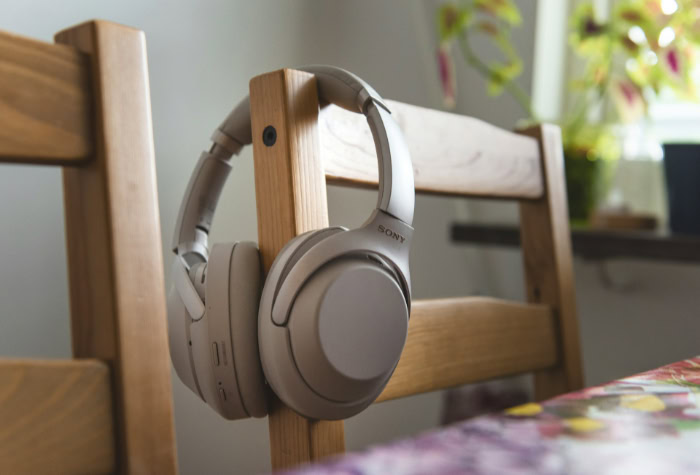
Active Noise Cancellation relies on fundamental principles of acoustic physics and real-time electronic processing. Rather than merely physically blocking sound waves through foam cushions, the system actively counters them using specialized sensors, onboard processors, and internal speakers.
Sound Wave Inversion and Phase Cancellation
Sound travels through the air in pressure waves composed of peaks and valleys. When two identical sound waves meet while completely out of phase, meaning the peaks of one match the valleys of the other, they cancel each other out entirely.
This phenomenon is known as destructive interference or phase cancellation. An ANC system uses microphones to capture incoming ambient sound waves, processes their frequency profiles, and instructs the headphone speaker drivers to emit an anti-phase wave within milliseconds.
This created anti-noise collides with external sounds, flattening the wave before it reaches the listener’s eardrum. The process works exceptionally well against continuous, predictable low-frequency sounds between 20Hz and 1,000Hz, such as the drone of an airplane engine or the hum of an air conditioner.
Internal and External Sensor Hardware
Executing phase cancellation requires specialized sensor placement around the headphone chassis. Exterior microphones face outward toward the environment, capturing ambient noise before it penetrates the earcups or ear tips.
Interior microphones sit within the acoustic chamber or inside the ear tip itself, facing inward toward the ear canal. These interior sensors monitor the exact sound mixture reaching the ear, detecting any residual noise that leaked past the exterior seal or errors produced by the cancellation circuit.
High-speed processors continuously compare both audio signals, adjusting the anti-noise output hundreds of times per second to maintain acoustic balance.
System Variations: Feedforward, Feedback, and Hybrid Design
Manufacturers deploy three primary hardware architectures for ANC systems. Feedforward systems rely solely on exterior microphones, capturing noise early and providing fast response times, though they struggle with unpredictable noise variations near the ear canal.
Feedback systems place the microphone exclusively inside the ear canal area; this design accurately reads what the ear actually hears, but it reacts more slowly and can accidentally suppress low-frequency bass notes in music. Hybrid systems combine both architectures, utilizing exterior and interior microphones simultaneously.
By monitoring incoming ambient noise and residual inner-ear sound at the same time, hybrid designs deliver superior noise suppression across a wider frequency band, though they require more computational power and complex circuitry.
Operational Mechanics of Environmental Noise Cancellation (ENC)
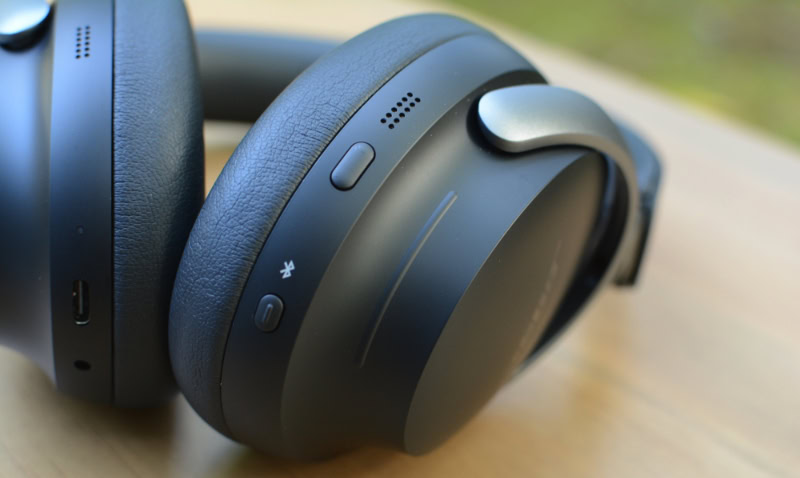
Environmental Noise Cancellation focuses entirely on vocal extraction and microphone clarity. Instead of altering what the listener hears in the earpieces, this system processes outgoing voice data through dedicated hardware arrays and smart filtering software.
Dual-Microphone Acoustic Arrays
ENC relies heavily on multi-microphone hardware arrangements, most commonly featuring two dedicated microphones positioned across the earpiece body. The primary microphone points directly toward the user’s mouth to capture vocal sound waves.
A secondary reference microphone faces away from the mouth toward the surrounding environment, capturing general ambient sounds like street traffic, wind, or office background noise. By physically separating these two sensors, the system establishes two distinct sound inputs, providing the necessary audio data for comparison.
Directional Voice Isolation and Background Noise Suppression
Because sound travels at a fixed speed of approximately 1,125 feet (343 meters) per second through air, vocal sounds reach the primary microphone slightly earlier and with greater intensity than they reach the secondary microphone. Conversely, ambient noise strikes both microphones at nearly the same time and with similar volume levels.
The system calculates these tiny arrival time delays and amplitude differences to build a directional pickup zone. Audio originating outside this designated voice zone is flagged as background noise, allowing the system to isolate the speaker’s voice from external disturbances.
Digital Signal Processors and Algorithm Analysis
Once the dual microphones collect acoustic data, an onboard Digital Signal Processor, or DSP, processes the audio streams in real time. Advanced software algorithms analyze the frequencies, distinguishing steady mechanical hums, sudden clatter, and non-vocal sounds from the natural acoustic patterns of human speech.
The DSP applies digital filters to attenuate non-vocal audio frequencies, suppressing background noise by up to 35dB in modern implementations. The filtered voice track is then transmitted cleanly over the call, leaving listeners with clear dialogue even when the speaker stands on a crowded city sidewalk or near a noisy kitchen.
Hardware Demands and User Experience Trade-Offs

Integrating active audio cancellation technology requires engineering compromises across battery consumption, manufacturing complexity, and acoustic comfort. Each system places different burdens on hardware components, creating noticeable variations in how devices perform and feel during extended use.
Battery Consumption and Power Efficiency
Power consumption differs dramatically between the two technologies. ANC requires constant active power to run high-speed processors, sample exterior sound waves thousands of times per second, and push continuous anti-phase audio through the speakers.
Activating ANC typically reduces overall headphone battery life by 20% to 40%. In contrast, ENC operates with high power efficiency.
Because it only engages during active phone calls or voice recording sessions, and because it processes microphone data rather than driving speaker amplifiers, its power footprint remains minimal. A headset using only ENC can sustain hours of operation without substantial battery penalties.
Production Cost and Retail Price Points
Hardware requirements directly influence retail pricing. Effective ANC systems demand high-precision interior and exterior microphones, premium acoustic sealing materials, and specialized, low-latency processing chips to prevent audio lag.
These components raise manufacturing costs, placing quality ANC headphones in higher price categories that often start around $100 and extend beyond $400. ENC, on the other hand, requires only basic secondary microphones and standard signal processing routines already supported by modern Bluetooth system-on-a-chip hardware.
Consequently, manufacturers can integrate reliable ENC into budget wireless earbuds costing as little as $25 to $40.
Physical Sensation and Vocal Naturalness
Each system introduces distinct user experience quirks. When users turn on ANC, the sudden absence of low-frequency ambient pressure can fool the inner ear into sensing a change in barometric pressure, similar to climbing in an elevator.
This sensation, colloquially called eardrum pressure, can cause mild discomfort or fatigue for sensitive listeners during prolonged listening sessions. ENC creates no physical sensations for the wearer, but it can affect vocal quality for the person receiving the call.
When algorithms aggressively strip away background noise, they sometimes clip subtle vocal frequencies, causing the speaker’s voice to sound slightly hollow, metallic, or robotic.
Daily Scenarios and Feature Selection

Choosing between these audio capabilities depends on individual habits, travel patterns, and communication needs. Matching device specifications to daily routines ensures that listeners invest in hardware that directly addresses their acoustic environment.
High-Noise Transit and Travel Scenarios
For commuters and frequent travelers, ANC provides an indispensable listening benefit. Long flights expose passengers to persistent engine rumble at altitudes exceeding 30,000 feet (9,144 meters), while subways and commuter trains generate substantial low-frequency rail noise.
Passive earcups cannot block these deep sound waves on their own. ANC neutralizes these continuous acoustic intrusions, allowing passengers to enjoy audiobooks, music, or restful silence at lower, safer volume levels.
Similarly, workers in open-plan offices benefit from ANC by muffling the constant din of HVAC systems and distant office activity.
Professional Voice Communication and Office Tasks
For remote workers, customer service representatives, and business professionals who spend hours on voice calls, ENC takes precedence. In home offices, barking dogs, running appliances, and household chatter can disrupt professional conversations.
Dispatchers and field workers operating amid street noise or shared workspaces rely on ENC to ensure that clients and colleagues hear every word accurately. While ANC does nothing to improve call clarity for the person listening on the other end, ENC isolates vocal speech, ensuring seamless collaboration during important video meetings and phone calls.
Combined Dual-Technology Audio Products
Consumers do not always have to choose between personal quiet and outgoing voice clarity. Mid-range and premium audio products frequently incorporate both systems into a single device.
A premium pair of wireless earbuds or over-ear headphones often uses a hybrid ANC system with four or six microphones to create a tranquil listening bubble for the wearer, while deploying dual-microphone ENC algorithms to isolate the wearer’s voice during calls. Investing in hardware that features both technologies provides complete acoustic control, insulating the listener from environmental chaos while delivering pristine audio transmission to everyone on the call.
Conclusion
Active Noise Cancellation and Environmental Noise Cancellation address opposite sides of the audio experience. ANC silences the world for the listener by generating anti-phase sound waves, making it ideal for blocking low-frequency transit rumble and noisy office environments.
ENC focuses outward, using dual-microphone arrays and digital signal processing to strip background commotion from voice calls so the recipient hears clear speech.
Choosing the right technology comes down to weighing daily habits against hardware trade-offs. ANC requires substantial processing power that can reduce battery runtimes by 20% to 40% and raises product prices to $100 or more.
ENC draws negligible battery power, adds little to manufacturing costs, and can suppress up to 35dB of background interference during calls. Frequent travelers and commuters seeking personal silence should prioritize robust ANC, while remote workers and phone communicators should focus on dependable ENC.
For complete acoustic control in both directions, investing in premium headphones that pair both systems provides quiet listening alongside pristine outgoing calls.
Frequently Asked Questions
Does ENC help block noise for me while listening to music?
No, ENC does not reduce any background noise for the person wearing the headphones. It functions solely as a microphone filter that cleans up your outgoing voice during phone calls or recordings. If you want to silence ambient distractions like airplane engines or office chatter for yourself, you need headphones equipped with ANC.
Can headphones have both ANC and ENC at the same time?
Yes, many mid-range and premium headphones include both ANC and ENC technologies. In these combined models, the ANC system silences ambient background sounds reaching your ears, while the ENC microphones simultaneously filter out background chatter so callers hear your voice clearly. This dual setup provides comprehensive noise control for both listening and speaking.
Why do ANC headphones make my ears feel like they are popping?
The feeling of ear pressure happens because ANC abruptly removes low-frequency background sound waves. Your brain interprets this sudden drop in low-frequency acoustic energy as an atmospheric pressure change, mimicking the sensation of riding an elevator. Although this phantom pressure feels unusual, it causes no physical harm to your eardrums.
Does turning on ANC drain the battery much faster?
Yes, using ANC significantly increases battery drain by approximately 20% to 40%. The system continuously powers extra microphones, processes audio frequencies in real time, and drives speakers to emit anti-phase cancellation waves. If you need to maximize your battery life during a long trip, turning off ANC will provide hours of extra listening time.
Can ENC make my voice sound weird on phone calls?
Yes, ENC algorithms can occasionally make your voice sound slightly metallic, thin, or compressed. When background environments become extremely noisy, the digital processor aggressively filters out unwanted sounds, which can inadvertently clip subtle vocal frequencies. While your words will remain easy for listeners to understand, your voice may lack its natural warmth and resonance.
About the Author: Elizabeth Baker


