
Are AirPods Worth It? Pros, Cons, and Hidden Tradeoffs

Audio equipment requires a sizable financial investment, and purchasing wireless earbuds can easily set you back hundreds of dollars. Apple AirPods dominate personal audio, yet their high price tag leaves many buyers questioning if daily convenience actually justifies the expense. True wireless earbuds have shifted from a luxury accessory into an essential tool for calls, music, and quiet focus during work or travel.
Stripping away the marketing hype provides a clear perspective on which model fits your personal setup, physical comfort needs, and budget before you make the final decision.
Key Takeaways
- Apple AirPods offer clean, balanced sound profiles, but lack customizable multi-band equalizer controls found in dedicated third-party apps.
- Ecosystem integration delivers instant pairing, automatic audio switching across Apple devices, and precise location tracking through the Find My network.
- Sealed lithium-ion batteries suffer natural chemical wear, often reducing maximum listening time by half after two to three years of daily usage.
- Non-Apple users on Android or Windows lose advanced functionality, including spatial audio adjustments, automatic switching, and hands-free voice controls.
- Competitors like Sony and Bose deliver stronger noise cancellation and better custom tuning, making them better options for multi-platform users or audio enthusiasts.
Evaluation of Core Features and Audio Performance
Purchasing personal audio gear requires balancing everyday practical performance against cost. Premium earbuds must deliver clean sound, isolate external noise effectively, and pick up human speech cleanly during voice calls.
Assessing how these hardware capabilities hold up during routine daily tasks reveals whether the baseline performance justifies the asking price.
Audio Quality and Sound Profile
Apple tunes its headphones with a neutral sound profile designed to accommodate a broad spectrum of audio formats. Bass response remains clean and controlled without overpowering mid-range frequencies, ensuring vocal clarity in podcasts, pop tracks, and video streaming.
High frequencies are shaped to avoid harshness during extended listening sessions, though equalizer adjustments remain limited compared to dedicated third-party companion apps. Dedicated audio enthusiasts seeking clinical accuracy, wide soundstages, or customizable multi-band equalizer controls may find this conservative tuning underwhelming.
However, for casual listeners consuming compressed streaming music and media on public transit or in casual settings, the balanced output delivers a satisfying, reliable experience.
Active Noise Cancellation and Transparency Mode
Active Noise Cancellation relies on internal and external microphones to neutralize low-frequency ambient sounds. In busy environments like airplane cabins, crowded commuter trains, or bustling open offices, the system reduces continuous rumble and background chatter significantly.
Higher-pitched, unpredictable spikes in sound still filter through occasionally, but the overall attenuation creates a quiet personal space for work or listening. Conversely, Transparency Mode processes ambient audio and plays it back into the ear with minimal latency.
Instead of sounding digitized or muffled, external voices and traffic noise blend into the user’s audio naturally, allowing effortless conversations and environmental awareness without removing the earbuds.
Microphone Performance and Call Clarity
Clear voice transmission remains an essential expectation for personal audio devices used in professional and casual settings. Beamforming microphones combined with internal processing isolate vocal frequencies while damping environmental distractions such as wind or ambient street noise.
In quiet indoor environments, voice transmission sounds natural and intelligible for cellular phone calls, remote video conferences, and quick voice notes. When exposed to harsh external noise or heavy wind gusts, the noise reduction algorithms work aggressively, which can occasionally compress vocal tones or make speech sound slightly processed.
Despite these mechanical limits in extreme weather, call quality remains consistent enough for daily business communication and hands-free conversations.
Apple Ecosystem Integration and User Convenience

Beyond raw acoustic performance, modern wireless earbuds rely heavily on software integration to deliver a smooth user experience. Convenience features, system controls, and security integration play a major role in how effortlessly hardware blends into everyday routines.
Exploring these software-driven benefits highlights where Apple builds substantial value for owners of multiple company devices.
Device Connectivity and Cross-Device Transitions
Setting up hardware within Apple’s ecosystem requires opening the charging case near an iPhone or iPad, prompting an immediate single-tap pairing notification. Once connected, pairing information syncs across all hardware logged into the same iCloud account, removing the need to manually pair individual devices.
Automatic audio switching allows sound output to transition dynamically between an iPad streaming video, a Mac receiving a video call, and an iPhone ringing with an incoming telephone call. While minor delays or misdirected audio handoffs occur occasionally across multiple active screens, the overall transition process eliminates the tedious manual Bluetooth re-pairing required by generic wireless accessories.
Spatial Audio and Hands-Free Controls
Spatial audio features use built-in gyroscopes and accelerometers to track head movements in real time, anchoring sound to the physical position of a paired screen. This creates a three-dimensional surround sound effect when watching supported movies or listening to compatible audio mixes.
On-board stem controls respond to squeezes or touch gestures to adjust volume, skip tracks, or toggle noise modes with physical or tactile feedback. Always-on voice detection enables hands-free Siri commands, allowing users to adjust volume, send text messages, or check calendar appointments without taking out their phone.
Control gestures can be customized within system settings to match individual preferences.
Find My Network and Location Security
Compact wireless earbuds are easily misplaced in daily life, making location tracking a practical necessity. Integration with Apple’s Find My network leverages millions of nearby active devices to relay encrypted location updates for lost gear.
Precision finding tools utilize ultra-wideband technology to guide users directly toward misplaced charging cases or individual earbuds using visual and directional prompts on their smartphone display. The system also plays audible chirps from the hardware to locate units buried in couch cushions or bags.
Separation alerts notify users on their phone if they accidentally leave their charging case or earbuds behind at a restaurant or office.
Overview of Product Models and Price Points

Apple offers several hardware variations to serve different listening habits, physical comfort requirements, and spending limits. Choosing the right option requires comparing entry-level options against higher-tier models that include specialized features and advanced acoustic designs.
Standard AirPods (Entry-Level Model)
The base model appeals to casual listeners who prefer an open-ear fit rather than silicone tips inserted into the ear canal. This design offers a lightweight feel and allows natural ambient awareness, making it comfortable for extended wear throughout the day.
However, the lack of a physical seal means bass response drops off in loud settings, and environmental noise bleeds into listening material easily. While it provides entry-level access to quick pairing and hands-free voice controls at a lower price point, it omits active noise cancellation and adjustable ear tips, making it less suitable for frequent travelers or noise-sensitive work environments.
AirPods Pro (Mid-Tier In-Ear Option)
Positioned as a mid-tier option, the Pro line incorporates customizable silicone ear tips that create an acoustic seal inside the ear canal. This seal boosts bass impact, improves passive noise isolation, and enables active noise cancellation alongside adaptive audio modes.
Built-in health functions, such as hearing protection monitoring and personalized acoustic profiles, add extra utility for daily wearers. Although the higher price tag demands a bigger upfront commitment compared to base models, the combination of superior sound isolation, situational awareness options, and secure physical fit makes this option a versatile sweet spot for most commuters and working professionals.
AirPods Max (Over-Ear Premium Option)
The top-tier over-ear option targets users seeking premium build materials and high-end acoustic performance. Constructed with an aluminum ear cup housing, stainless steel headband, and breathable mesh fabric, the design emphasizes physical build quality and deep acoustic isolation.
Large custom dynamic drivers deliver detailed sound reproduction across all frequency ranges, backed by powerful active noise reduction capabilities. However, its heavy physical frame, high retail cost, and bulky storage case make it less practical for intense gym sessions or minimal light travel.
Casual listeners may find the substantial price jump difficult to justify when smaller, less expensive models offer similar ecosystem convenience.
Durability, Longevity, and Ownership Costs
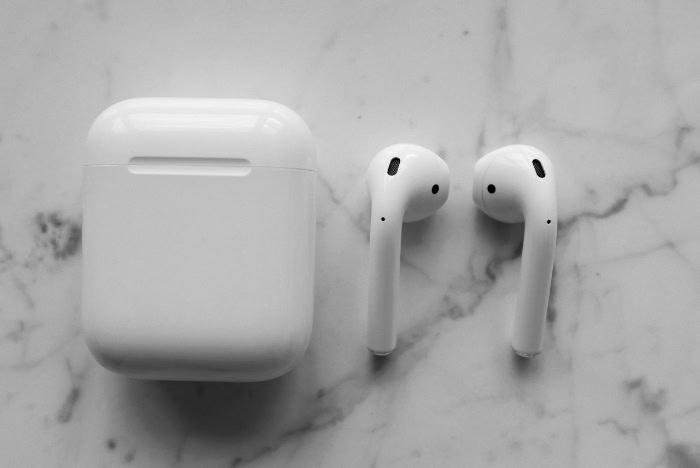
Calculating the true cost of wireless headphones extends beyond the initial sticker price. Long-term ownership involves considering hardware resilience during daily activities, battery degradation over several years, and the financial impact of repairs or replacement parts.
Understanding these physical and financial factors ensures buyers know how long their investment will remain practical.
Battery Lifespan and Degradation Rates
Lithium-ion cells inside compact earbud housings face steep chemical degradation over extended use. While a new pair easily delivers four to six hours of continuous playback on a single charge, repeated charge cycles gradually reduce total capacity.
After two or three years of daily usage, maximum listening time often drops by half. Because tiny earbud batteries are sealed permanently inside glue-assembled plastic shells, replacing degraded cells is impossible without destroying the casing.
Once internal batteries degrade completely, the entire earbud becomes unusable, forcing owners to purchase replacement units or upgrade to a new model.
Build Quality and Fitness Suitability
Modern models carry sweat and water resistance ratings that protect internal circuitry against moisture during workouts or light rainfall. However, liquid protection is not permanent and degrades over time from normal wear and exposure to soap or sweat.
Ear fit stability varies considerably depending on human ear anatomy. Models with customizable silicone tips tend to stay anchored during heavy running or high-impact exercise, whereas open-ear designs rely entirely on shape retention and can slip out during intense physical activity.
Physical comfort during long listening sessions depends heavily on selecting the correct ear tip size or choosing lightweight headbands that distribute weight evenly.
Maintenance and Replacement Costs
Maintenance fees can accumulate quickly if hardware is lost or damaged outside warranty coverage. Apple does not offer traditional repairs for damaged earbuds; instead, out-of-warranty claims require paying flat replacement fees for individual earbud units or charging cases.
Battery service fees offer a lower-cost path if the hardware retains physical integrity, but total costs can still approach half the price of a brand-new set. Many owners choose to buy optional protective silicone cases to prevent drop damage or purchase extended coverage plans to cap unexpected repair expenses, adding noticeable overhead to the total cost of ownership.
Platform Compatibility and Market Alternatives
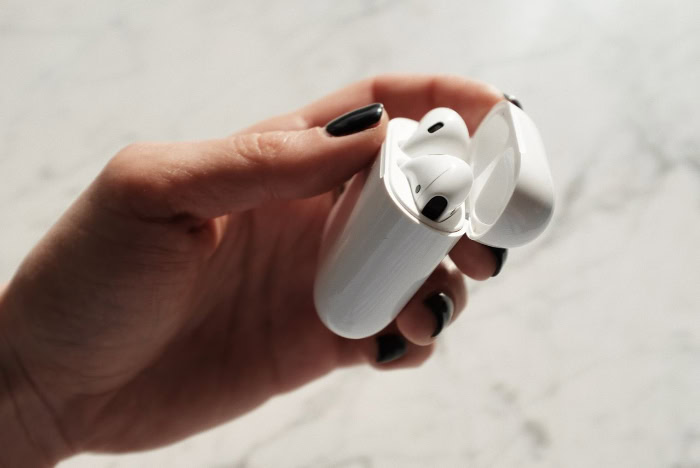
While Apple audio products perform exceptionally well within their native hardware ecosystem, their appeal changes significantly when paired with non-Apple devices. Comparing these products against major third-party competitors highlights where they excel and where alternative brands offer superior flexibility or value.
Functionality Limits on Non-Apple Devices
Pairing these earbuds with Android smartphones or Windows personal computers limits them to basic Bluetooth audio functionality. Advanced software features like automatic device handoff, dynamic head tracking for spatial audio, customizable touch controls, and hands-free voice assistance become completely unavailable on non-Apple operating systems. Firmware updates also require an iOS or macOS device to download and install.
While sound output and basic microphone functionality still work for phone calls or music playback, multi-platform users miss out on the specific ecosystem conveniences that justify the high purchase price.
Competitor Comparison with Third-Party Brands
Prominent audio competitors like Sony, Bose, and Samsung offer compelling alternatives that challenge Apple across several categories. Bose regularly leads in active noise cancellation, suppressing low and mid-range ambient frequencies more aggressively.
Sony provides richer sound customization through detailed companion app equalizers and supports high-bitrate Bluetooth codecs for superior sound fidelity. Samsung offers deep software integration for Galaxy phone users at competitive prices.
Additionally, budget-friendly brands deliver reliable noise isolation, decent sound quality, and longer single-charge battery life for a fraction of the cost, appealing to price-conscious consumers.
Conclusion
Evaluating Apple AirPods requires weighing reliable daily sound performance and effortless ecosystem convenience against non-replaceable batteries and a premium price tag. For committed Apple device users who value instant device pairing, automatic audio handoff, and reliable noise cancellation for daily commutes or office calls, AirPods offer clear daily convenience that justifies the investment.
However, non-Apple device owners, audio purists wanting customizable sound equalizers, and budget-conscious buyers gain significantly better value from third-party alternatives. Before purchasing, verify that your daily setup relies primarily on Apple hardware, confirm your budget accommodates potential replacement costs after a few years of battery degradation, and choose the model fit that best matches your personal physical comfort and noise isolation needs.
Frequently Asked Questions
Are AirPods worth buying if I use an Android phone?
AirPods are generally not worth buying if you use an Android phone as your primary device. Pairing them with Android removes major conveniences like automatic device switching, spatial audio adjustments, and hands-free voice controls. Third-party options from brands like Sony or Samsung deliver far better feature integration, customized audio equalizers, and overall value for Android users.
How long do AirPods batteries usually last before needing replacement?
AirPods batteries typically maintain solid playback performance for about two to three years of daily usage. Because lithium-ion cells naturally degrade through charging cycles, total battery life gradually declines over time. Since internal batteries cannot be replaced individually without breaking the earbuds, noticeable battery degradation usually means purchasing a replacement unit or upgrading hardware.
Can I replace just one lost AirPod without buying a whole new set?
Yes, you can purchase a single replacement AirPod directly through Apple support without buying an entire new set. Apple allows customers to buy individual left or right earbuds as well as replacement charging cases. Once your replacement unit arrives, you can easily pair it with your existing original earbud and charging case.
Which AirPods model is best for working out and fitness?
AirPods Pro are the best option for fitness activities due to their secure in-ear silicone tips and sweat resistance. The silicone ear tips create a firm physical seal that prevents earbuds from slipping out during intense movements or running. Active noise cancellation and transparency modes also help manage environmental noise effectively while exercising outdoors or in gyms.
How does noise cancellation on AirPods Pro compare to Bose and Sony?
AirPods Pro offer excellent noise cancellation for daily commuting, though Bose and Sony slightly outperform them in suppressing deep ambient noise. Bose quiet noise technology leads the industry in isolating extreme low-frequency rumbles, while Sony offers richer app-based sound customization. However, AirPods Pro deliver a more natural Transparency Mode and far better software integration for Apple device owners.
About the Author: Elizabeth Baker


