
What Is a Fitness Tracker? How It Works and What It Tracks

Wearable gadgets have gained widespread popularity among individuals seeking better control over daily exercise routines and general wellness. A fitness tracker is a compact electronic tool designed to continuously monitor physical movement, heart rate, and sleep quality.
Sensors inside the hardware capture body mechanics and stream daily statistics to companion smartphone apps for easy review. Beyond simple step counting, modern units track vital signs, estimate calorie burn, and encourage consistent healthy habits.
Device styles, internal mechanics, and standard health metrics demonstrate how raw sensor readings convert into meaningful lifestyle trends. Contrasting basic trackers with full smartwatches alongside practical selection advice helps everyday users pinpoint the ideal equipment for personal wellness goals.
Key Takeaways
- Modern fitness trackers rely on internal 3-axis accelerometers and optical photoplethysmography (PPG) sensors to measure movement, stride volume, and real-time heart rate changes.
- Battery life on dedicated fitness bands typically spans 5 to 14 days on a single charge, outlasting full smartwatches that usually require daily charging every 18 to 36 hours.
- Onboard memory caches 7 to 30 days of activity and sleep metrics directly on the device, allowing users to exercise outdoors without carrying a paired smartphone.
- Calorie expenditure and readiness metrics are algorithmic estimates that fluctuate by 15% to 30%, making them valuable for tracking personal progress over time rather than serving as clinical medical data.
- Device selection depends on matching lifestyle needs with hardware specifications, such as verifying a 5 ATM water resistance rating for swimming up to 164 feet (50 meters) and reviewing potential $8 to $10 monthly subscription fees.
Definition and Common Device Styles
Fitness trackers provide accessible, continuous monitoring to help people observe their daily physical activity and general wellness. These electronic instruments come in several form factors to accommodate diverse daily routines, ranging from traditional wristbands to unobtrusive clip-on accessories.
The Core Concept and Purpose
A fitness tracker functions as a dedicated electronic wellness tool engineered to record daily bodily movement and exertion. The primary role of the device involves translating everyday physical behavior into actionable personal statistics.
Users rely on these tools to monitor basic health markers, establish realistic activity targets, and maintain accountability throughout the week.
Tracking generally operates in two distinct modes: passive background monitoring and active workout logging. In passive background monitoring, the device continuously records data without requiring any manual input.
It tallies steps, estimates baseline calorie consumption, and measures resting pulse while the user works, rests, or sleeps. Active workout logging requires the wearer to initiate a specific exercise session, such as an outdoor run, swim, or cycling workout.
During an active session, the tracker samples data at higher frequencies, recording precise metrics like lap times, elevated heart rate zones, and split paces.
Wristbands and Slim Activity Bands
Traditional activity wristbands represent the most recognizable style of fitness tracking hardware. These devices emphasize lightweight construction and compact dimensions, often weighing less than 1 ounce (28 grams).
Their narrow profile allows them to sit comfortably on the arm without interfering with long sleeves or daily manual work.
Narrow screens, frequently measuring between 0.8 inches and 1.5 inches, prioritize readability for basic metrics while limiting visual distractions. Designers prioritize comfort, minimal interruption, and continuous wear.
The silicone or flexible elastomer bands resist sweat and moisture, enabling users to wear them for days without skin irritation. By delivering short vibration alerts instead of endless smartphone feeds, slim bands help users remain mindful of their physical movement without dominating their attention.
Alternative Form Factors: Clip-on Units, Straps, and Smart Jewelry
Not every user prefers wearing an accessory on the wrist. Alternative form factors accommodate people who wear traditional mechanical watches, individuals with strict workplace dress codes, or those who find wrist straps uncomfortable during sleep.
Clip-on units attach securely to a waistband, pocket, or bra strap, using internal sensors to measure steps and general activity near the center of bodily mass. Screenless bands, constructed from soft fabric or elastic webbing, position sensors against the forearm or bicep to gather motion and pulse readings without any visual interface.
Smart jewelry, such as rings forged from titanium or ceramic, embeds miniaturized pulse and temperature sensors directly against the finger. These compact rings deliver detailed recovery and movement statistics while appearing as elegant personal adornments.
Internal Mechanics and Operation
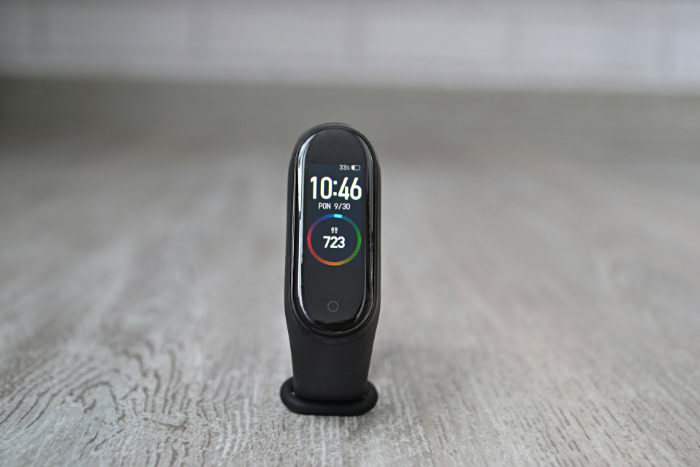
Miniaturized hardware components inside a fitness tracker work together to measure bodily signals throughout the day. These parts capture movement, register light reflections through the skin, and send the resulting data to personal mobile devices.
Motion Detection and Optical Sensors
Motion tracking relies primarily on internal 3-axis accelerometers and gyroscopes. An internal 3-axis accelerometer detects acceleration forces along the forward, horizontal, and vertical planes.
By measuring changes in velocity and directional sway, the internal processor determines whether a movement corresponds to a standard walking stride, an elevator ride, or incidental arm motion. Gyroscopes supplement this data by measuring rotational movement, helping the device recognize specific swim strokes or cycling cadences.
Optical photoplethysmography (PPG) sensors measure pulse rates by shining light directly into the skin. Green light-emitting diodes (LEDs) illuminate the capillary beds in the wrist or finger, while sensitive photodiodes measure the amount of light reflected back.
Because blood absorbs green light, each contraction of the heart causes a slight drop in reflected light. The tracker analyzes these rapid light fluctuations to calculate heart beats per minute in real time.
Wireless Synchronization and Phone Connectivity
Fitness trackers use low-energy Bluetooth protocols, such as Bluetooth 5.0, to establish wireless communication with smartphones and tablets. This wireless standard allows the tracker to exchange information using minimal electrical current, preserving battery reserves on both the wearable device and the phone.
The hardware balances on-device memory storage with scheduled data transmissions. Most trackers contain onboard memory capable of storing 7 to 30 days of raw activity and pulse logs.
This internal memory ensures that wearers can exercise outdoors or sleep without keeping a phone nearby. When the wearable returns within range of the paired mobile phone, it synchronizes its stored records in efficient digital bursts rather than maintaining an unbroken, energy-draining data stream.
Companion Applications and Data Dashboards
Raw sensor readings remain largely indecipherable numbers until companion software organizes them. Mobile applications available for iOS and Android receive the raw transmission, apply analytical formulas, and display the information as intuitive charts, dials, and progress bars.
Users can review daily step totals, inspect hourly heart rate graphs, or monitor weekly sleep averages with a few screen taps.
These companion applications link with secure cloud accounts to provide automated data backups. If a user upgrades or misplaces a smartphone, historical health records remain safely stored on remote servers.
Centralized data dashboards present broad overviews of personal progress, highlighting long-term trends and helping users evaluate how changes in routine influence overall physical vitality.
Standard Health and Activity Metrics

Fitness trackers capture a wide spectrum of physical data to quantify everyday wellness and exertion. By tracking motion, cardiovascular strain, and nighttime rest, these devices create a detailed profile of daily bodily function.
Daily Movement and Step Counts
Step counting remains the foundational feature of personal activity monitors. By converting accelerometer readings into stride counts, trackers estimate the total walking distance covered during the day, such as 4 miles (6.4 km).
Companion software pairs this distance data with user height and cadence to refine accuracy.
Trackers also calculate active minutes, which measure sustained aerobic movement that elevates the heart rate above baseline rest. If a user remains seated for 60 consecutive minutes, the device can emit a gentle vibration alert to prompt brief movement.
Daily calorie expenditure is estimated by combining movement volume with the user profile, incorporating biological sex, height, age, and weight to calculate basal metabolic rate alongside active calorie burn.
Heart Rate and Vital Sign Measurements
Continuous heart rate monitoring provides insight into cardiovascular workload and rest. Trackers record resting heart rate during calm morning hours, serving as a general indicator of aerobic fitness and physical fatigue.
During workouts, the device divides heart rates into distinct training zones, indicating whether the user is working at light aerobic, moderate endurance, or peak anaerobic intensities.
Advanced sensors evaluate heart rate variability (HRV), which measures slight millisecond variations between individual heartbeats. Higher variability often reflects a rested nervous system, whereas suppressed variability can signal stress or fatigue.
Many devices also include optical sensors that emit red and infrared light to estimate peripheral blood oxygen saturation (SpO2), which typically ranges between 95% and 100%. Small temperature sensors on the underside of the casing track subtle night-to-night skin temperature shifts, flagging potential illness or physical strain.
Sleep Stages and Rest Quality
Wearable trackers evaluate rest by combining heart rate measurements with subtle movement patterns during the night. The software uses these combined signals to detect the exact moment a wearer falls asleep and automatically breaks the night down into distinct sleep stages.
The resulting sleep profile details the duration of light sleep, deep restorative sleep, and rapid eye movement (REM) sleep. Internal accelerometers detect micro-movements, identifying moments of nighttime restlessness or brief awakenings.
In the morning, companion software synthesizes total sleep duration, sleep continuity, and heart rate variability into an overall rest or readiness score, typically presented on a scale from 1 to 100. This summary score helps users gauge whether their bodies have recovered sufficiently for strenuous exercise.
Comparison Between Fitness Trackers and Smartwatches
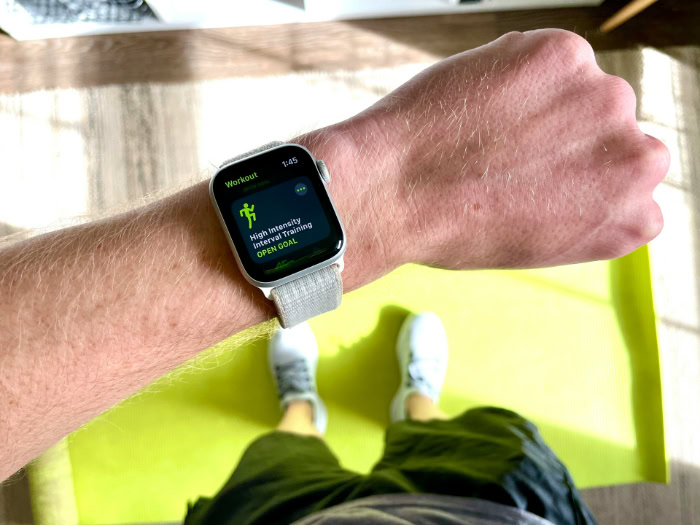
Although fitness trackers and smartwatches share several sensor technologies, they serve different functional purposes. Understanding how these product categories diverge in everyday utility, hardware, and operational cost simplifies the purchasing decision.
Core Purpose and Everyday Utility
Fitness trackers emphasize dedicated wellness measurement, prioritizing lightweight efficiency and minimal distraction. Their software centers on health metrics, step tallies, and sleep monitoring, keeping interface interactions quick and functional.
Smartwatches operate as comprehensive wrist computers and extensions of modern smartphones. They include full application stores, onboard speakers, mobile payment systems, and voice assistant integration.
Notification management illustrates this fundamental difference. A basic fitness tracker buzzes to show a brief text preview or caller identification, requiring the user to open a phone to respond.
A smartwatch allows the user to dictate text replies, type on a miniature screen, or answer phone calls directly from the wrist.
Battery Life and Hardware Differences
Battery capacity highlights a major engineering difference between the two device categories. Fitness trackers deliver multi-day or multi-week performance, running anywhere from 5 to 14 days on a single charge.
Some screenless fitness bands can operate for 21 days before requiring a recharge. In contrast, most smartwatches require daily charging, lasting roughly 18 to 36 hours before their batteries deplete.
Hardware choices explain this performance gap. Fitness trackers rely on small, energy-efficient displays, such as monochrome screens or low-power organic light-emitting diode (OLED) panels, paired with modest microcontrollers.
Smartwatches utilize high-resolution color touchscreens operating at 60Hz or higher refresh rates, paired with powerful multi-core processors that demand substantial amounts of electrical energy.
Price Range and Software Complexity
Price points reflect the hardware and functional scope of each category. Entry-level fitness trackers cost between $30 and $70, offering dependable activity monitoring for budget-conscious buyers.
Premium multi-sport trackers with specialized sensors range from $100 to $200. Smartwatches sit higher on the price scale, generally starting around $250 and exceeding $800 for luxury or specialized outdoor models.
Software complexity also differs substantially. Fitness trackers feature simple operating systems navigated with basic taps and swipes, making them accessible to non-technical users right out of the box.
Smartwatches run sophisticated operating systems comparable to desktop computer software, requiring regular system updates, storage management, and extensive application configurations.
Benefits, Limitations, and Selection Criteria
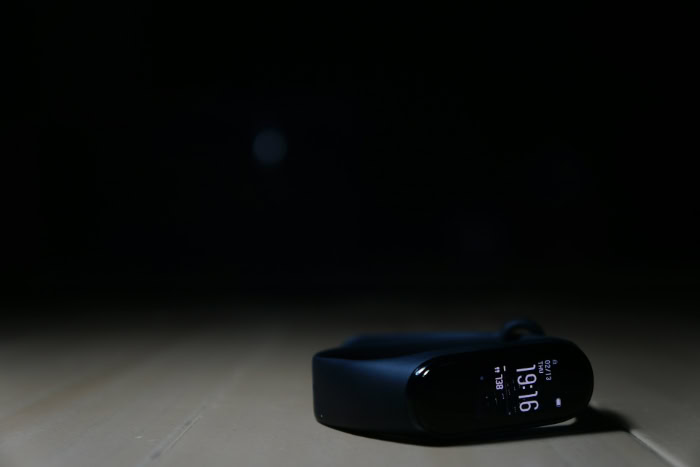
Evaluating an activity monitor involves weighing personal lifestyle priorities against practical hardware capabilities. Balancing motivational advantages with technical constraints helps buyers choose an option that delivers lasting satisfaction.
Personal Motivation and Habit Formation
Fitness trackers encourage healthier habits through immediate visual feedback and behavioral reminders. Features like closing daily activity rings, earning digital milestone badges, and celebrating step goals provide rewarding positive reinforcement.
These visual achievements turn daily exercise into an engaging personal routine.
Vibration prompts that remind individuals to stand or walk during work hours help disrupt sedentary desk routines. Companion apps store activity logs over weeks and months, allowing users to observe gradual trends in resting heart rate and daily movement.
Observing this steady progress reinforces positive habits and encourages sustained physical activity over time.
Data Accuracy and Privacy Concerns
While consumer wearables provide valuable approximations, they do not replace calibrated clinical medical instruments. Calorie expenditure calculations rely on algorithmic estimates that can vary by 15% to 30% depending on the specific activity and individual body composition.
Sensor readings can also fluctuate if a wristband is worn too loosely or during exercises involving rapid wrist flexions.
Data privacy presents another critical consideration. Wearable devices continuously compile sensitive physiological information and GPS location coordinates.
Users must review manufacturer privacy policies to understand how their data is stored, whether personal logs are shared with third-party advertisers, and how account security is maintained. Additionally, several manufacturers place in-depth sleep analytics, historical trends, and personalized wellness tips behind monthly subscriptions that cost $8 to $10.
Key Factors for Device Selection
Selecting an appropriate device begins with defining personal physical activity priorities. Someone who primarily walks or attends casual fitness classes requires only basic step, pulse, and sleep tracking.
An endurance athlete preparing for a marathon benefits more from a rugged design featuring dedicated GPS tracking, heart rate zone alarms, and advanced recovery metrics.
Physical comfort and durability also warrant close attention. The band should feel comfortable during continuous day and night wear without causing skin irritation.
Buyers should verify water resistance ratings; a rating of 5 ATM, which indicates water resistance up to 164 feet (50 meters), ensures the device can withstand showers and lap swimming. Finally, shoppers must confirm software compatibility with their smartphone operating system and balance the initial purchase price against possible recurring software subscription fees.
Conclusion
Fitness trackers serve as daily wellness companions by turning continuous bodily signals into clear, actionable insights. By monitoring daily steps, exercise exertion, and sleep cycles, these devices help people build sustainable routines and stay accountable to their physical goals.
It is essential to view the data they provide as long-term trends rather than strict medical measurements. Algorithmic estimates for calorie burn and recovery scores are designed to highlight general progress over weeks and months, offering valuable guidance for a healthier lifestyle without replacing professional medical advice.
Frequently Asked Questions
Can I wear my fitness tracker in the shower or pool?
Yes, you can wear your fitness tracker in the shower or pool if it has an adequate water resistance rating. Look for a water resistance rating of 5 ATM, which protects the device at depths up to 164 feet (50 meters). Basic splash-proof models can handle light sweat, but they should be removed before swimming.
How accurate are fitness trackers at counting calories?
Fitness trackers provide rough calorie estimates rather than exact measurements. Because these devices rely on formulas combining your movement with profile details like age and weight, calorie burn estimates can vary by 15% to 30%. They work best for comparing workout efforts over time instead of strict diet calculations.
Do I need to carry my phone with me when I work out?
No, you do not need to carry your phone with you during a workout. Most fitness trackers have onboard memory that stores your steps, heart rate data, and workout duration for 7 to 30 days. When you return near your phone, the tracker automatically syncs the saved records via Bluetooth.
What is the difference between a fitness tracker and a smartwatch?
Fitness trackers focus primarily on health monitoring, while smartwatches act as full extensions of your smartphone. Trackers offer battery life lasting 5 to 14 days and use simple screens with basic notifications. Smartwatches feature bright touchscreens, app stores, and message replies, but their intensive features require charging every 18 to 36 hours.
Do fitness trackers require a paid monthly subscription to work?
Most fitness trackers work fully right out of the box without requiring any paid monthly subscription. Standard features like step counting, real-time pulse monitoring, and basic sleep summaries are free. However, certain brands lock advanced tools, including detailed sleep scores and historical trend archives, behind optional memberships costing $8 to $10 monthly.
About the Author: Julio Caesar


